

Coffee Origins
Ethiopian Coffee Profile
Ethiopian coffee is known for being bright and citrusy with high acidity. It’s light-to-medium-bodied and offers a complex yet delicate tasting experience.
What Makes Ethiopian Coffee Special
Ethiopian coffee beans are processed using both the wet/washed and dry/natural methods, and each imparts different flavors on the final roast.
“Few countries showcase the wide range of flavors that Ethiopian coffee does.”
That range is a testament to our coffee culture, and it is why these unique beans have become so admired around the world.
What Are the Most Famous Producing Regions?
Ethiopian Yirgacheffe Coffee
- Processing types: Natural, washed
- Growing altitude: 5,900–6,250 feet (1,800–1,900 meters)
- Harvest: October–January
- Availability: January–December
This coffee is harvested from the higher elevations of Ethiopia’s Sidama region, near Yirgacheffe. It is typically wet-processed, meaning it is mostly washed, and is widely considered the pinnacle coffee crop of Ethiopia.
Ethiopian Sidama Coffee
- Processing types: Natural, washed
- Growing altitude: 4,900–7,225 feet (1,500–2,200 meters)
- Harvest: October–January
- Availability: January–December
The revered Sidama region is located in Ethiopia’s central highlands and is most likely where coffee originated. The beans are both wet-processed and dry-processed. At these elevations, the growth rate slows, allowing the coffee to absorb more nutrients and creating a more robust and bright palate.
Ethiopian Limu Coffee
- Processing types: Washed
- Growing altitude: 3,600–6,225 feet (1,100–1,900 meters)
- Harvest: October–January
- Availability: January–December
The Limu region is west of the capital, located centrally in Ethiopia. This is also a wet-processed coffee, and it tends to be sharper than other Ethiopian coffees, which some people strongly favor.
How Is Ethiopian Coffee Processed?
Ethiopian coffee is processed by either the washed (wet) or the dry (natural) method.
Wet Processing
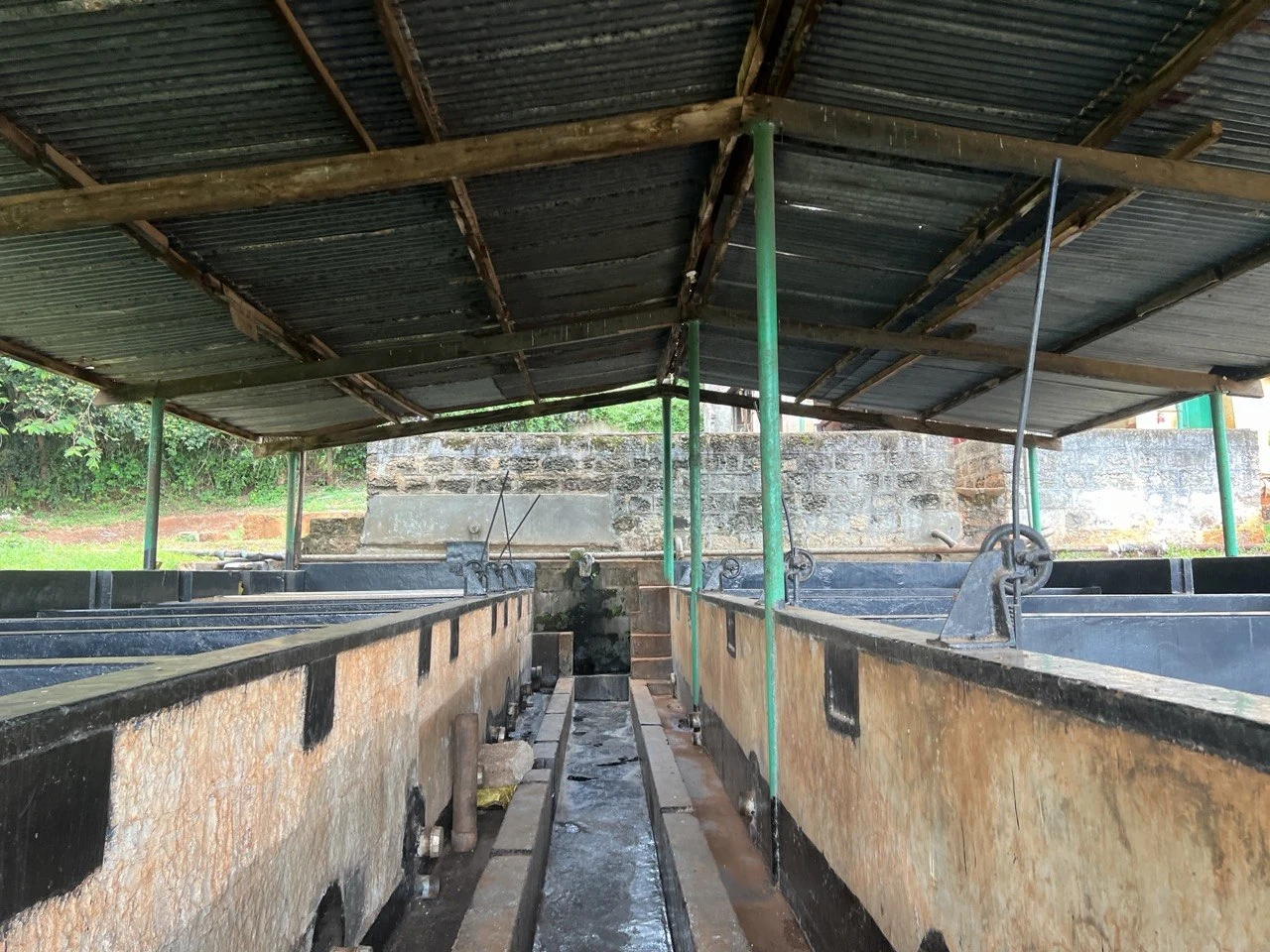
In this method, the cherries are placed in water for sorting: the less dense cherries float while the denser ones sink. Eco pulpers are then used to remove the skin and get the parchment. After this, the mucilage is removed by keeping the parchment coffee in a fermentation tank for days.
Once fermentation is over, the coffee is placed in a soaking tank for 12 hours, then set on patios or raised drying beds to dry for two weeks or more. The dried coffee is then sorted, the damaged beans are removed, and the good ones are sent to a warehouse for dry processing. Lastly, the coffee is packaged and ready to sell.
Sun Drying
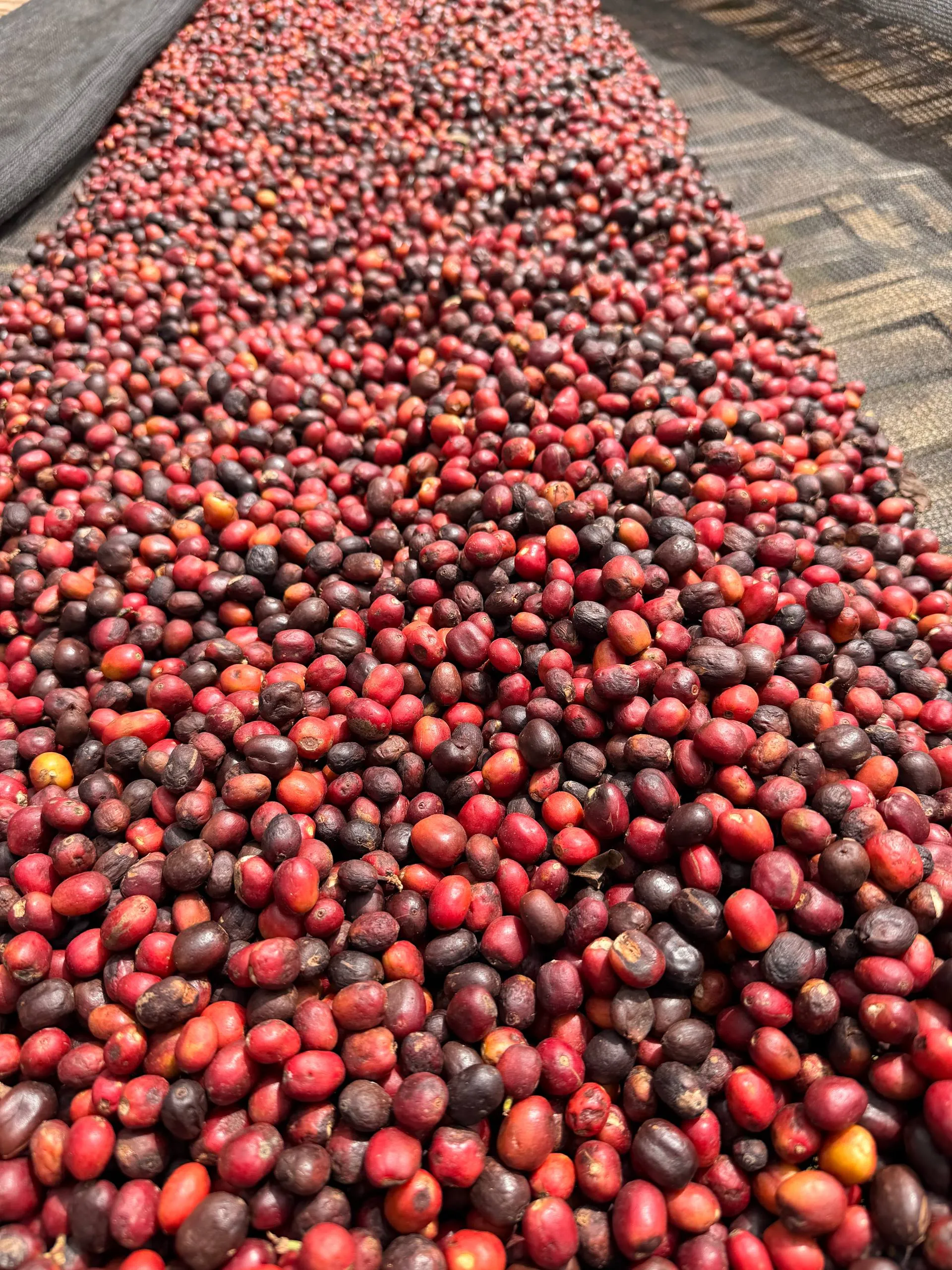
Here, the cherries are sorted by hand to select the ripe, quality ones. They are then placed on patios or raised drying beds made of wood (covered in nylon netting or burlap) and left in the sun for weeks to dry. After this, they are milled to remove the husk and are ready for sale.
Taste the Ethiopian Profile
From our own washing stations in Sidama, Yirgacheffe, and Guji, we follow every lot from ripe cherry to export.
Explore our single origin coffees, or tell us what you are looking for and we will keep you close to the season.