
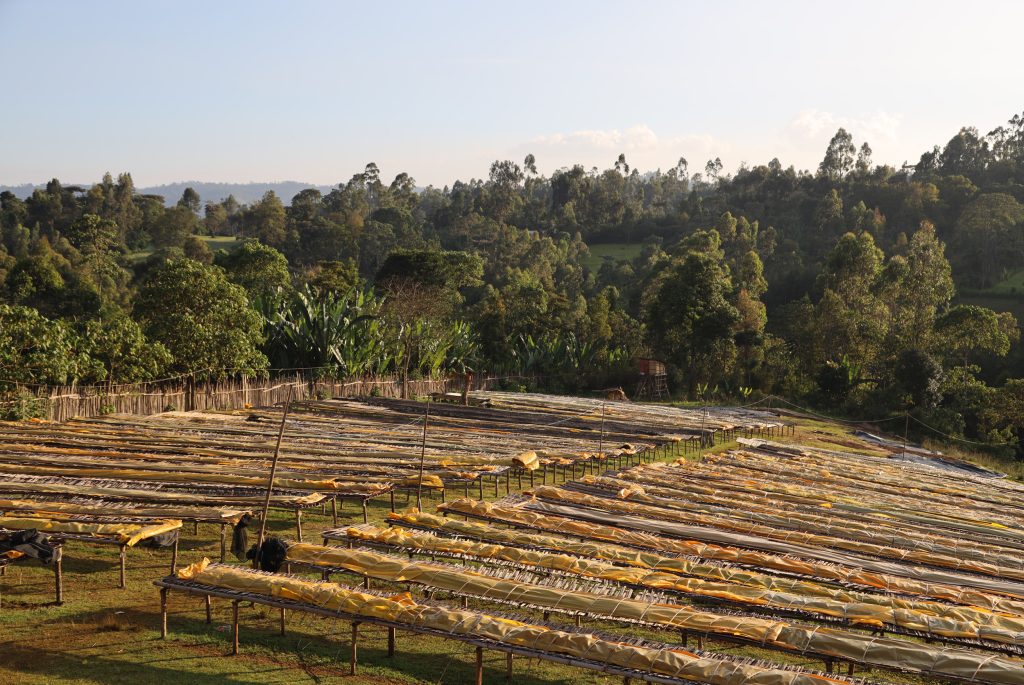
Coffee Origins
Sidamo Coffee
Sidama Zone is located in Southern Ethiopia, where some of the finest coffee in the world grows. It is the country’s leading coffee-producing zone and its largest supplier of washed coffee.
Sidama at a Glance
- Altitude: up to 1,550–2,200 MASL
- Processing: produced washed and, exceptionally, natural (unwashed)
- Cup: fine acidity, medium body, spicy notes
- Beans: small to medium in size, greenish
- Use: blended for gourmet or specialty coffee

Where Sidama Is
Sidama Zone is a zone in the Southern Nations, Nationalities, and Peoples’ Region (SNNPR) of Ethiopia. It is named for the Sidama people, whose homeland is in the zone.
Sidama is bordered on the south by the Oromia Region (except for a short stretch in the middle where it shares a border with the Gedeo zone), on the west by the Bilate River, which separates it from the Wolayita zone, and on the north and east by the Oromia Region.
Towns in Sidama include Hawassa, the capital of Sidama and SNNPRS, Yirgalem, and Wendo. Sidama has a population of around 3.2 million (2017), who speak the Cushitic language Sidama, also known as Sidamigna.
Geographic details adapted from Wikipedia.
Garden Coffee and World-Class Washed Coffee
Sidama coffee is mainly produced in Sidama zone, but it also includes coffee produced in the neighboring zones of Amaro, Guji, Borena, Bale, Wolayita, Kambata, Gamo Gofa, and South Omo. Sidama zone is the leading coffee-producing zone and the largest supplier of washed coffee in the country.
“Sidama coffee is known for its high quality across the world and has built a reputation over many decades.”
Sidama is well known for its production of garden (cottage) coffee, grown in gardens and fertilized with organic nutrients. It produces world-class washed coffee thanks to its ideal soil type, climate, altitude, rainfall, and temperature for high quality coffee.
Coffee is planted at low densities, ranging from 1,000 to 1,800 trees per hectare, and is often intercropped with enset (false banana).
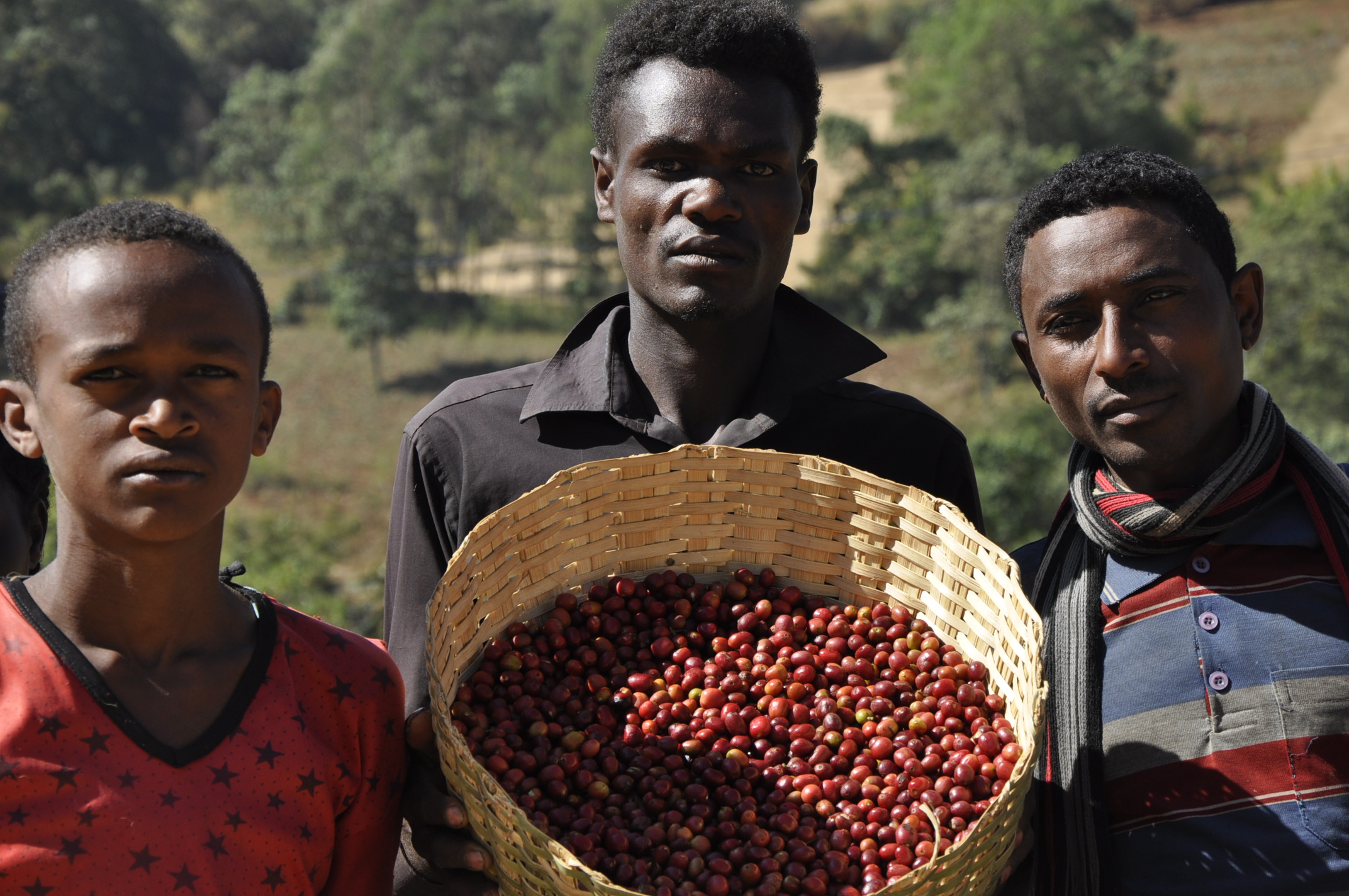
The Sidama Cup
Sidama coffee is a low-yielding variety with the highest cup quality. The beans are small to medium in size and greenish-gray in color. The cup has a balanced taste and fine flavor with distinct sweetness, fine acidity, and good body, and it is always sold as specialty coffee.
Traceable Information
Origin: Ethiopia, Southern Nations and Nationalities Region, Sidama zone and other neighboring zones.
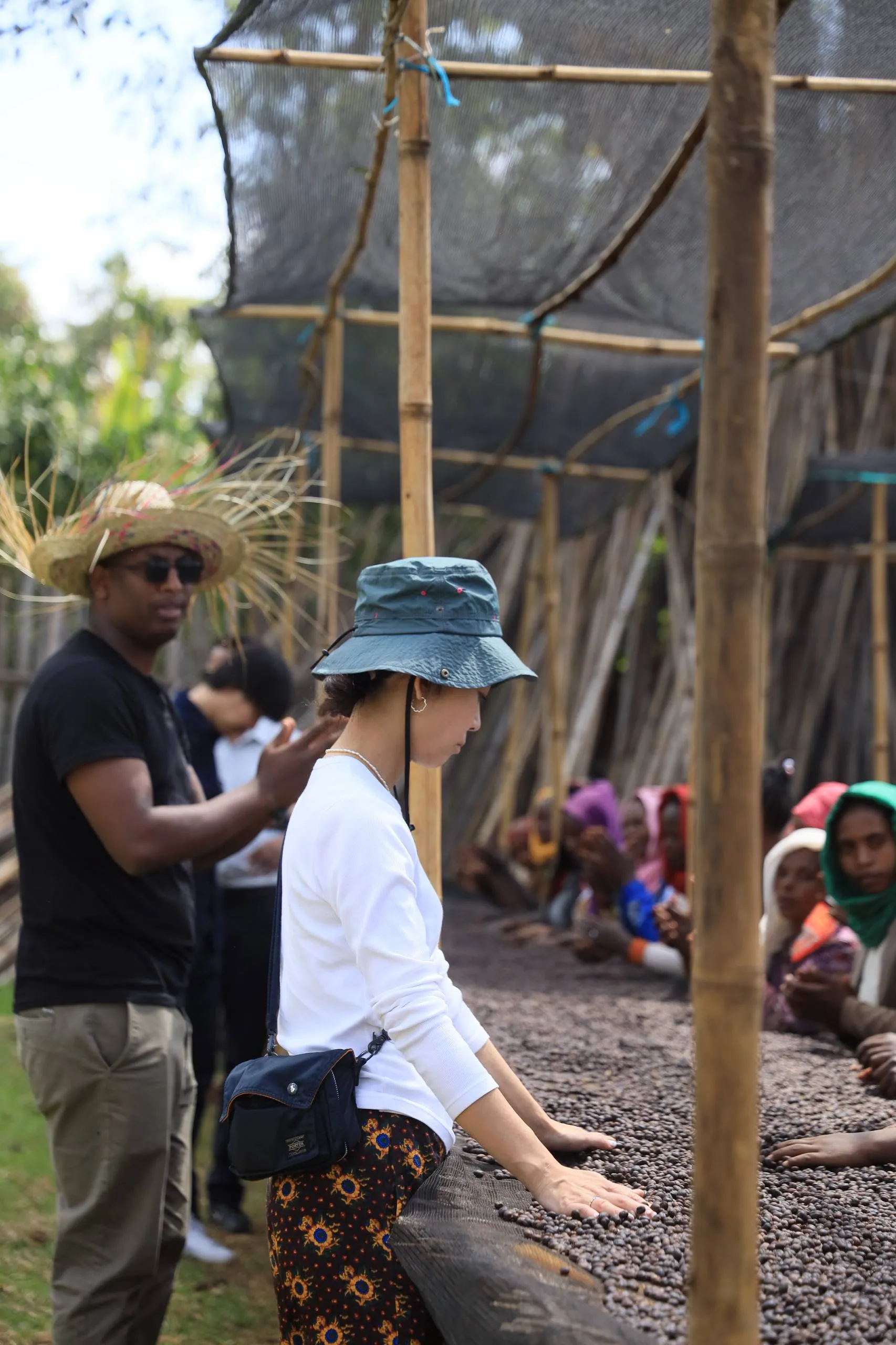
Sidama Grades by Area
- Sidama A: Benesa, Chire, Bona Zuria, Arrpressa, and Arbigona
- Sidama B: Aleta Wendo, Dale, Chuko, Dara, Shebedino, Wensho, Loko Abaya, Amaro, and Dilla Zuria
- Sidama C: Wolliata, Kembata, and Timbaro
- Sidama D: Bale, Chole, and Nansebo
- Sidama E: South Ari, North Ari, Melo, Denba Gofa, Geze Gofa, Arbaminch Zuria, Basketo, Derashe, Konso, Konta, Gena Bosa, and Esera
Coffee Details
- Variety: Indigenous Ethiopian Arabica
- Altitude: 1,500–2,100 MASL
- Processing: Washed and natural
- Harvesting method: Hand picking
- Harvest season: September–December
- Export season: January–August
Taste Sidama at Its Source
From our own washing stations in Sidama, we follow every lot from ripe cherry to export.
Explore our single origin coffees, or tell us what you are looking for and we will keep you close to the season.