
Coffee Culture
The Coffee Exporter’s Guide: Third Edition
Nu Buna Tetoo: Ethiopian coffee drinking culture and the cultural hospitality that has been passed from generation to generation.
A Coffee Culture as Diverse as Its People
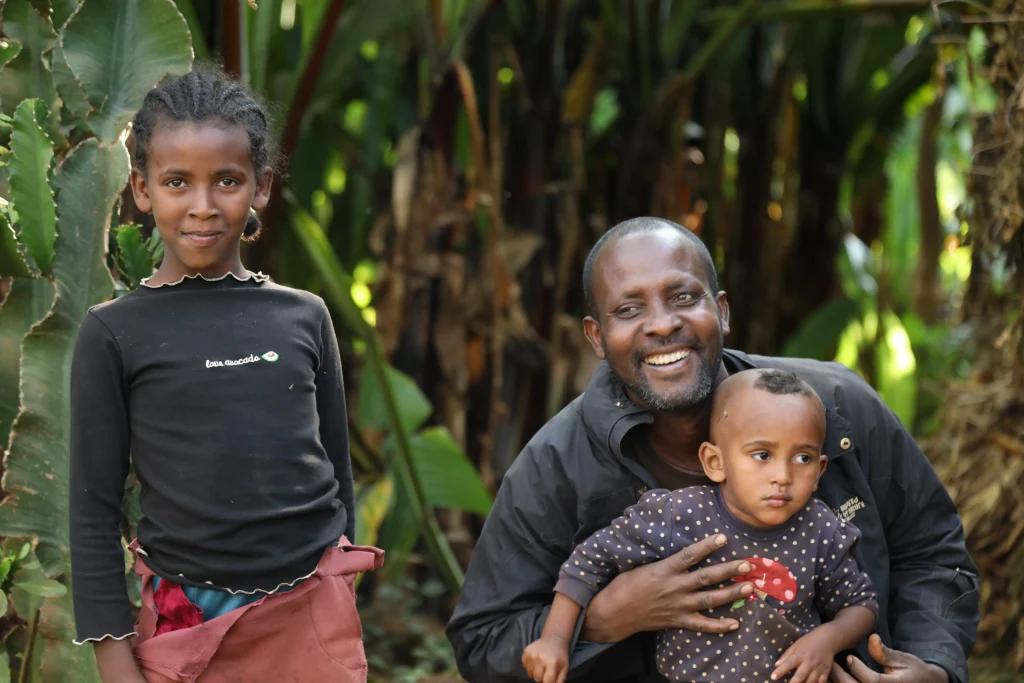
Ethiopia’s coffee drinking culture, like its citizenry, is diverse. As anywhere else, people drink coffee as part of their culture, to find relaxation in a moment, to chat with friends and neighbors, and some drink coffee for health reasons, on a doctor’s recommendation.
In the Ethiopian context, however, the habit of drinking coffee is part of the culture. It helps people connect with each other, and it is a traditional tool for solving community and social problems.
The Coffee Ceremony and Choosing a Mate
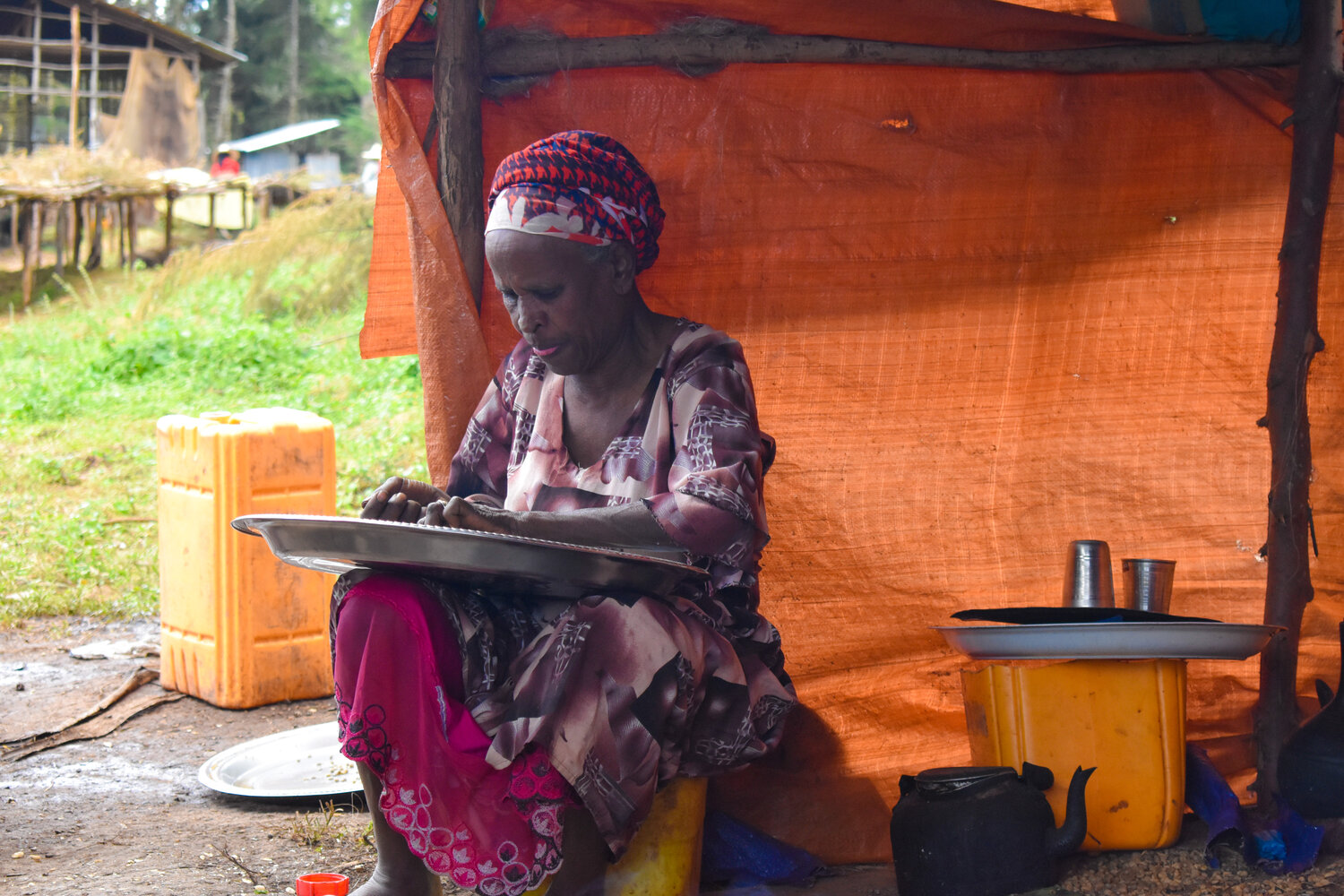
In some Ethiopian rural areas where arranged marriage is practiced, the coffee ceremony is sometimes used as a way of choosing marriage mates. It becomes a means of testing a son’s fiancée, or a future daughter-in-law.
If she makes a really good coffee, if she is a well-trained traditional food maker, and if she is a responsible person who can take care of her husband and her entire family, these are strong indications of being a good wife.
Coffee as a Community Forum
Coffee drinking with friends and neighbors has an understated purpose as well. It serves as a communication forum to share local news, gossip, social affairs, and neighborhood concerns, and a space for solidarity, counseling, and meditation over the steaming coffee.
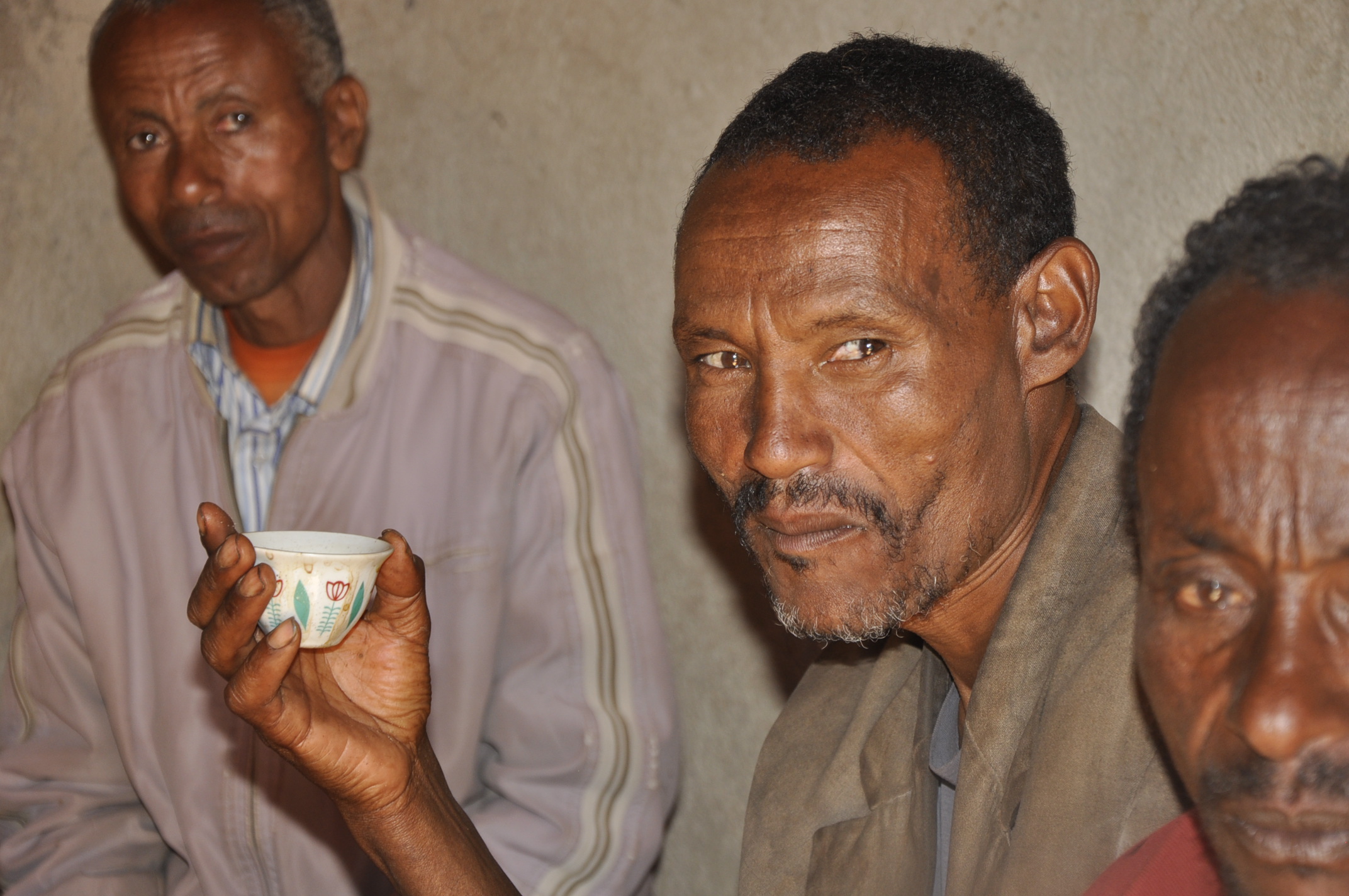
Drinking coffee with neighbors is a traditional hospitality for Ethiopian societies. When one family makes coffee, neighbors and friends are expected to come and drink it. This is considered a mark of friendship and mutual respect, and an important example of the Ethiopian cultural hospitality that has been passed from generation to generation.
“Nu Buna Tetoo”: The Invitation
When someone makes coffee, they send their male child as a messenger to knock on the neighbor’s door and invite them:
“Nu Buna Tetoo”: come join us for coffee.
It is a common verbal invitation between neighbors, and the invitee will reciprocate later that day. It is a tradition steeped in community.
Taste the Culture Behind the Cup
From our own washing stations in Sidama, Yirgacheffe, and Guji, we follow every lot from ripe cherry to export, with the same spirit of hospitality.
Explore our coffees, or tell us what you are looking for and we will keep you close to the season.
Keep on writing, great job!