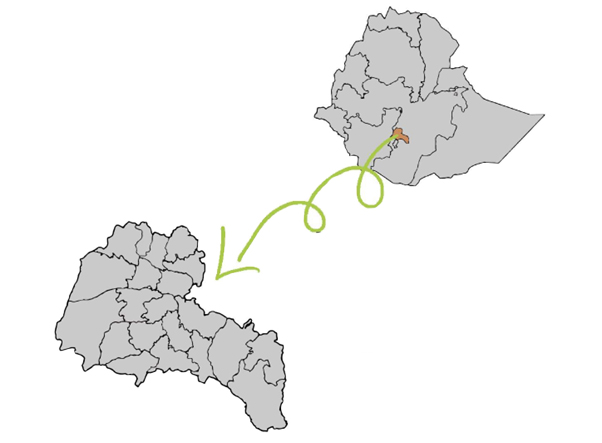
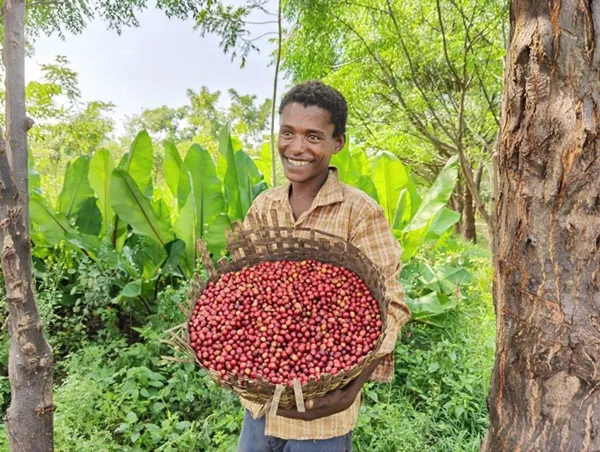
The Sidama Region is a regional state of Ethiopia. It was formed on 18 June 2020 from the Southern Nations, Nationalities, and Peoples’ Region (SNNPR) and transformation of the Sidama Zone after a 98.52% vote in favor of increased autonomy in the 2019 Sidama Referendum.
Sidama is the name of both the Sidama people and Sidama territory. It is bordered South Oromia Region (except for a short stretch where it shares a border with Gedeo zone).
West The Bilate River, which separates it from Wolayita zone. North and East Oromia Region.
Towns in Sidama include Hawassa the capital of Sidama and SNNPR, Yirgalem, Wondogenet, Chuko, Hula, Bona, Bursa, Bensa, and Aleta Wendo. Sidama had a population of around 3.2 million in 2017 who speak the Cushitic language Sidama (also known as Sidaamu Afoo). produces exceptional washed and natural coffee. The specific profile of the bean includes Body Medium to full tactile sensation. Flavor Notes Distinct notes of spice and citrus. Small to medium sized; green-gray to blue in color. Both washed and sun-dried (natural) processed.
"Sidama Coffee: it's a phrase associated with spices and citrus notes, crisp acidity, and a rich body."
Bona Zuria
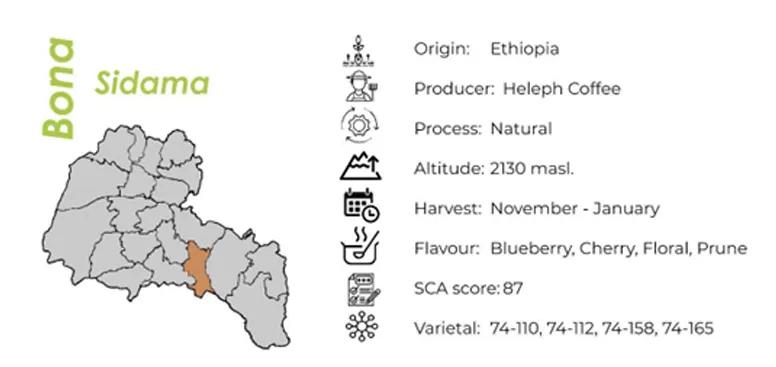
Bona Zuria is one of the districts in the Sidama Region of Ethiopia. Bona Zuria is bordered on the south by the Oromia Region, on the west by Hula, on the northwest by Bursa, on the north by Arbegona, and on the east by Bensa. The major town in Bona Zuria is Bona. The farmers own and farm between 3 and 8 hectares of land each, and have all been working in the coffee industry for over a decade. The varietals they grow have been selected over the years and consist of JARC (the Jimma Agricultural Research Center) recognised CBD resistant varietals identified in the mid 1970’s and grown under shade.
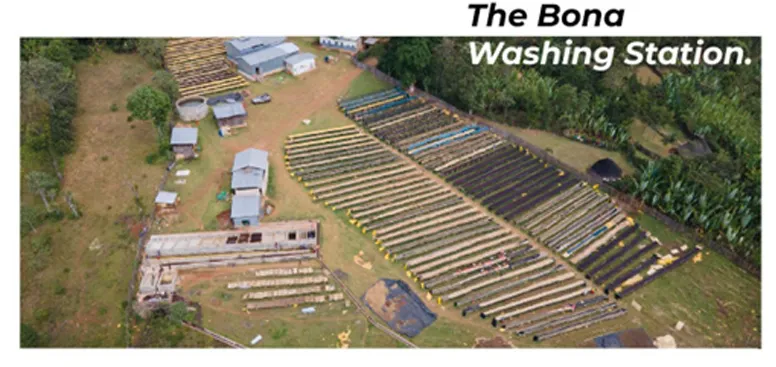
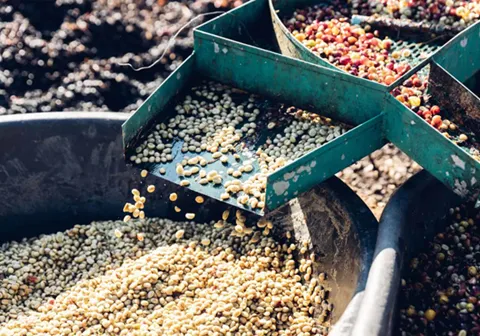
They hand pick the coffee cherries before they inspect and ultimately deliver them to the Ayele Tulu Washing Station to be processed. Usually the farmers deliver their cherries by horse or donkey. The washing station itself is situated at 2,190 masl, making it one of the highest altitude washing stations in the whole of Ethiopia. It was officially founded in 2014 by Mr. Ayele Tulu who has been working in the coffee industry for more than 2 decades.
OUR COFFEE PROCESSING
Innovative Fermentation's coffee
Our Coffee Processing at Heleph Coffee
At Heleph Coffee, we blend traditional Ethiopian methods with innovative fermentation techniques to produce exceptional, traceable coffees. Our processes highlight the unique flavors of Ethiopia’s heirloom varieties, ensuring sustainability and quality from farm to cup. Below, we outline our key methods, including washed, natural, honey, anaerobic, and specialized lots such as micro, nano, single-farm, day lots, and low-oxygen fermentations
dreamstime.com
Natural (Dry) Process
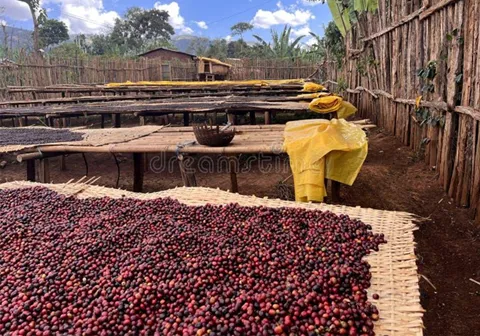
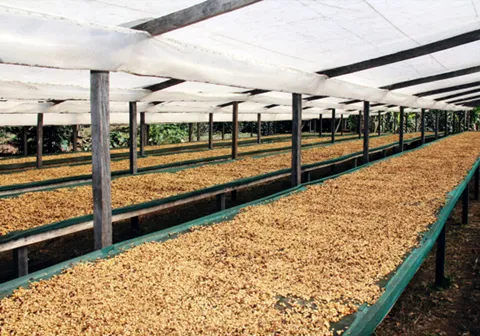
In the dry or ‘natural’ process—the traditional Ethiopian method—coffee cherries are dried whole on raised beds for 2-4 weeks. This allows the fruit to impart sweet, fruity notes like berries and chocolate to the beans. It’s eco-friendly, using minimal water, and results in bold, full-bodied coffees.
coffeeness.de Coffee Processing 101: A Beginner's Guide
Washed Process
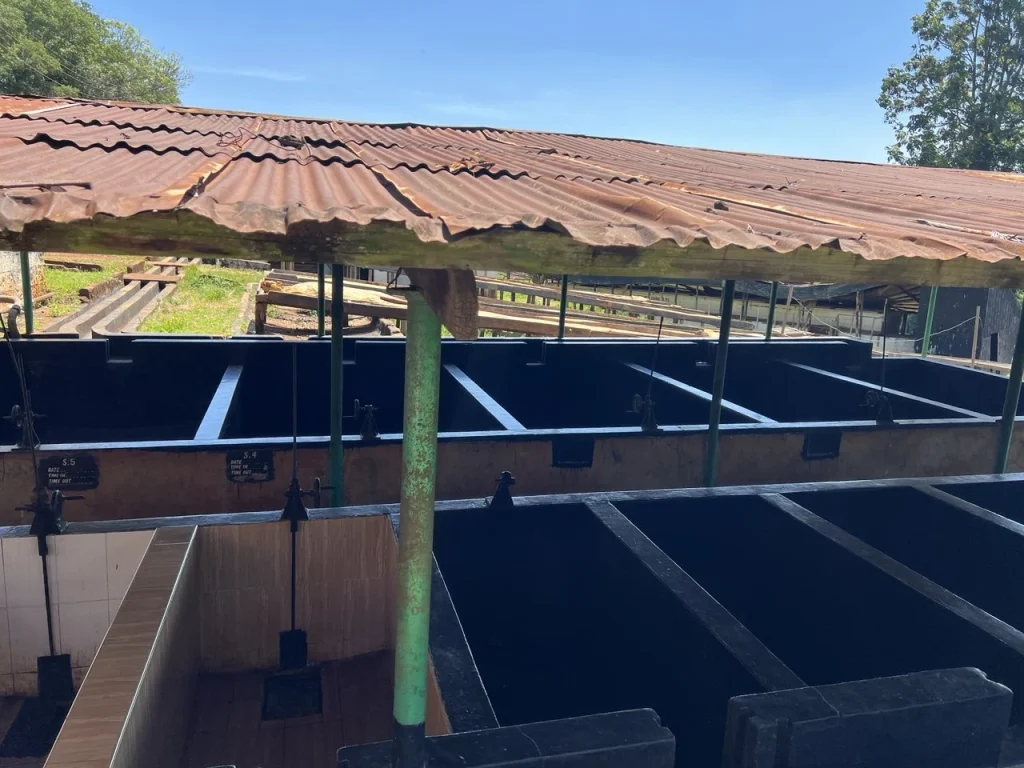
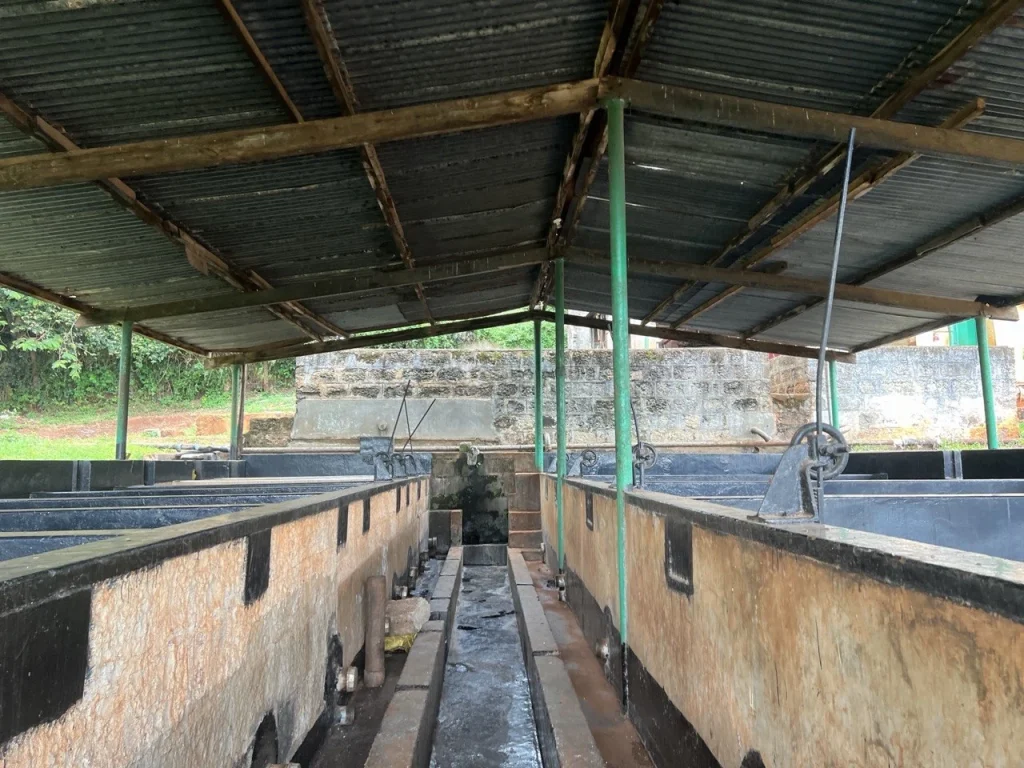
Our washed coffees undergo depulping to remove the skin, followed by 36-72 hours of fermentation in water tanks to break down mucilage. Beans are then washed and dried, yielding clean, bright profiles with floral and citrus acidity—perfect for highlighting Ethiopia’s terroir.
Honey Process
In honey processing, we remove the cherry skin but leave varying mucilage layers (e.g., black, red, yellow honey based on amount). Dried on raised beds, this creates sweet, syrupy coffees with stone fruit and honey notes, balancing washed cleanliness and natural fruitiness.
Anaerobic Honey and Infusion
Anaerobic fermentation occurs in sealed, oxygen-free tanks for 36-100 hours, enhancing complex flavors like tropical fruits and wine. Combined with honey processing, it produces innovative lots with infused notes. We experiment with fruit infusions during fermentation for unique profiles.
Low Oxygen (Hypoxia) and Fermnet
Low-oxygen processes limit air exposure during fermentation, similar to anaerobic but with controlled hypoxia for subtler enhancements. “Fermnet” refers to our net-based drying during fermentation, preventing over-ferment while promoting even airflow. These yield balanced, nuanced coffees.
Specialized Lots: Micro, Nano, Day, Single Farm, Double Layer
Micro/Nano Lots: Small batches (e.g., 1-10 bags) from specific plots, traceable for premium quality and unique flavors.
Day Lots: Harvests separated by picking day, ensuring uniformity and peak ripeness.
Single Farm: Sourced from one estate, showcasing individual terroir.
Double Layer: Drying in controlled layers on beds for even moisture removal, enhancing clarity.
These methods allow us to offer traceable, high-scoring coffees (85+ points) with distinct profiles.