
Heleph Coffee · Our Coffee
Single-Origin Ethiopian Coffee
Heleph Coffee Exporter sources, produces, and exports single-origin Ethiopian coffee from owned washing stations in Sidama, Yirgacheffe, and Guji — fully traceable from farm to export.
Explore Our Coffees
From competition-grade micro-lots to dependable commercial volumes, every coffee we export passes through our own washing stations and quality control.
01 · Specialty
Specialty Coffee
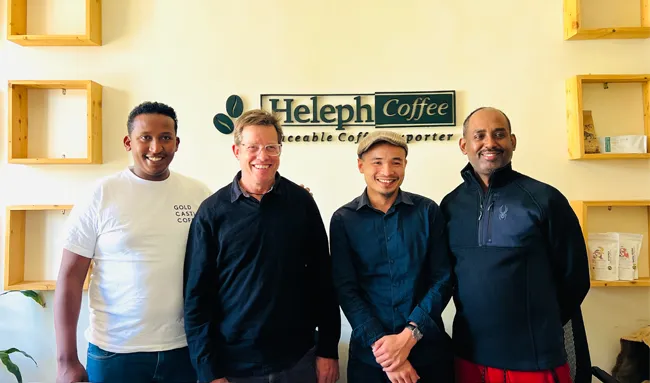
Traceable, high-scoring lots (85+ points) from heirloom varieties grown at 2,000 masl and above across Sidama, Yirgacheffe and Guji — selectively hand-picked, processed at our own washing stations and cupped before export.
Request Details
02 · Single Origin
Single Origin Coffee
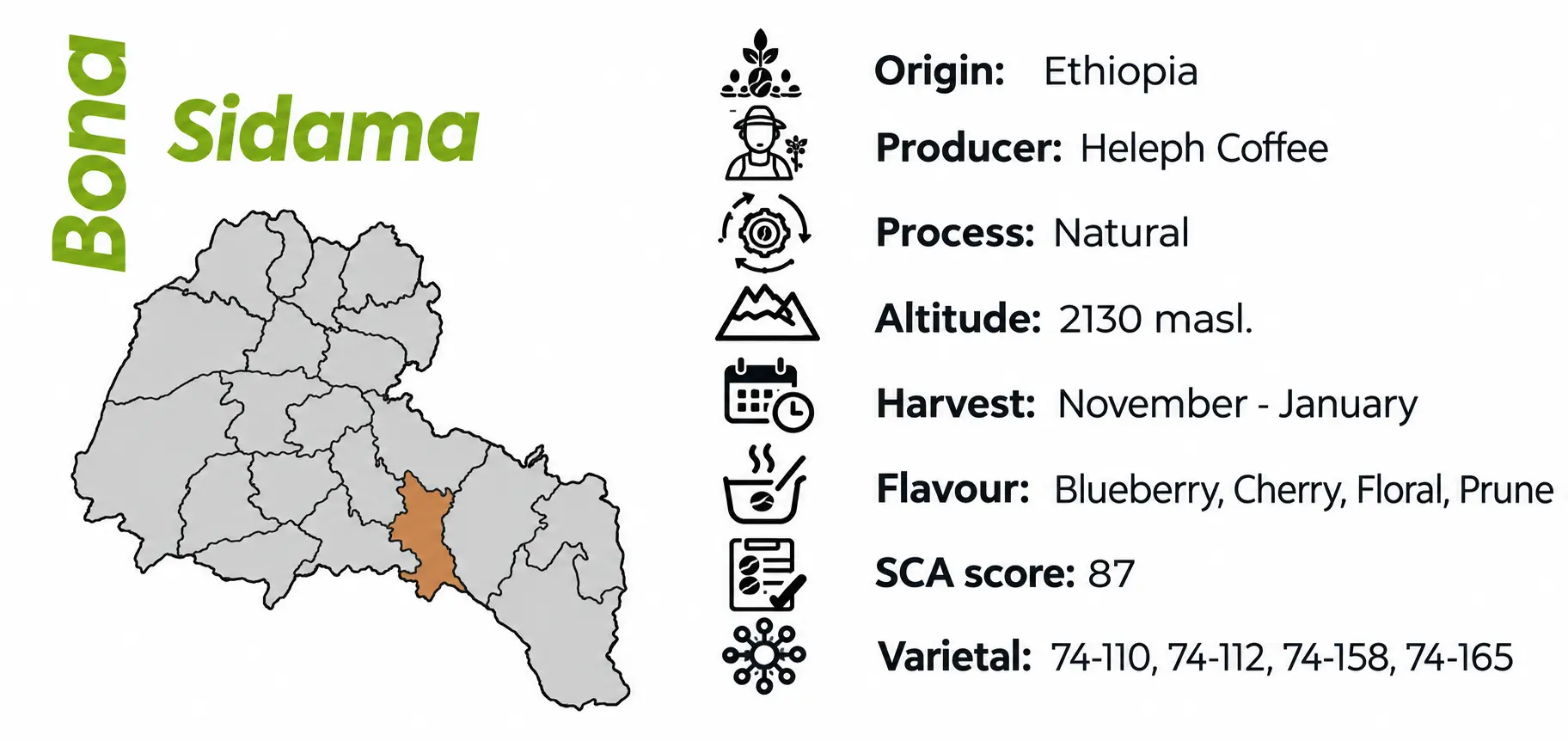
Coffee from 12 selected single farmers in Bona Zuria, Sidama — Grade 1, natural process — expressing one place through its altitude, varietals and processing.
Explore Origins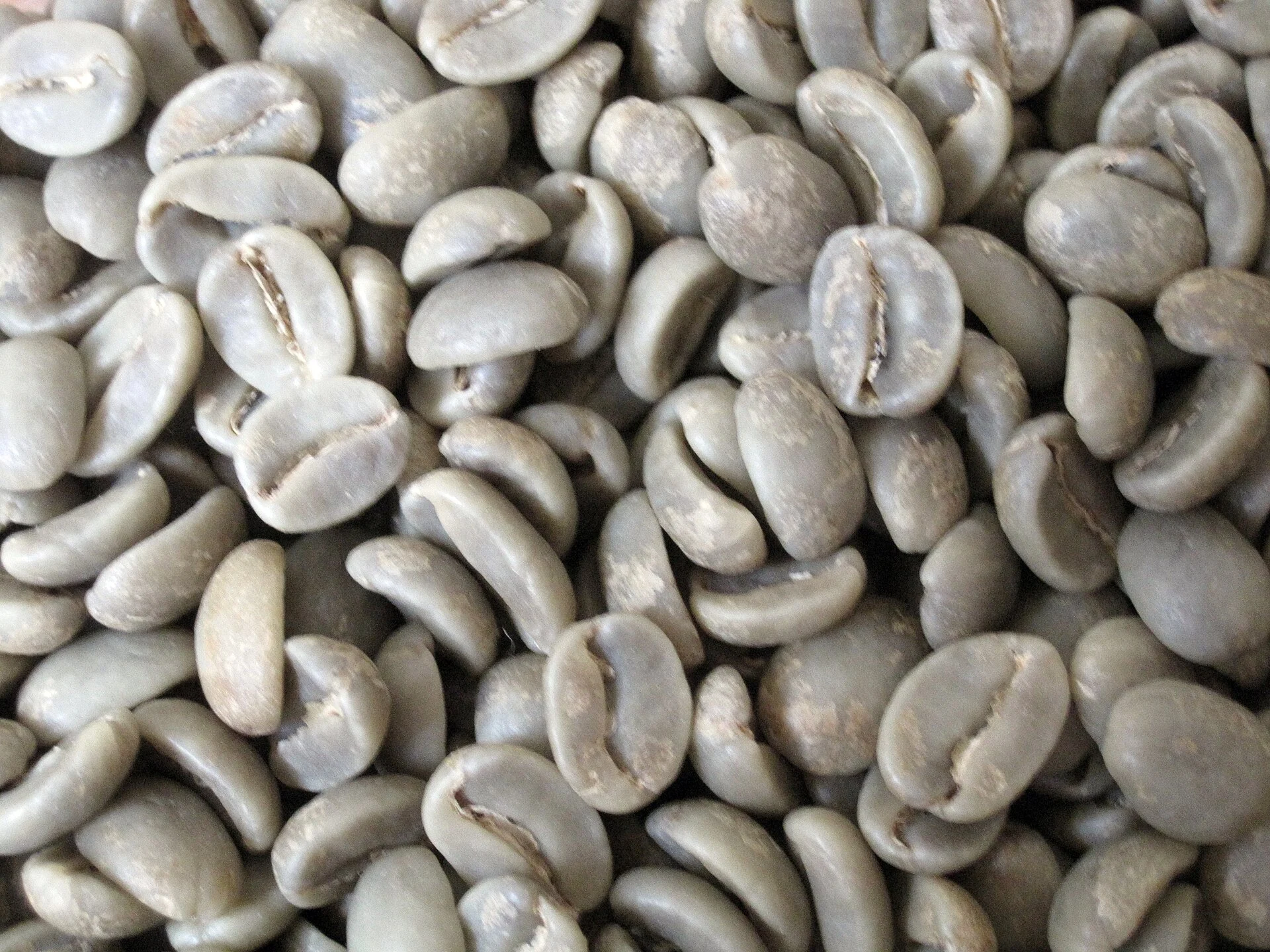
03 · Commercial
Commercial Coffee
Consistent, well-prepared Ethiopian Grade 3–4 coffees for roasters who need reliable volume and quality throughout the season, backed by the same sorting and grading standards.
Request DetailsThe Origins Behind Our Coffee
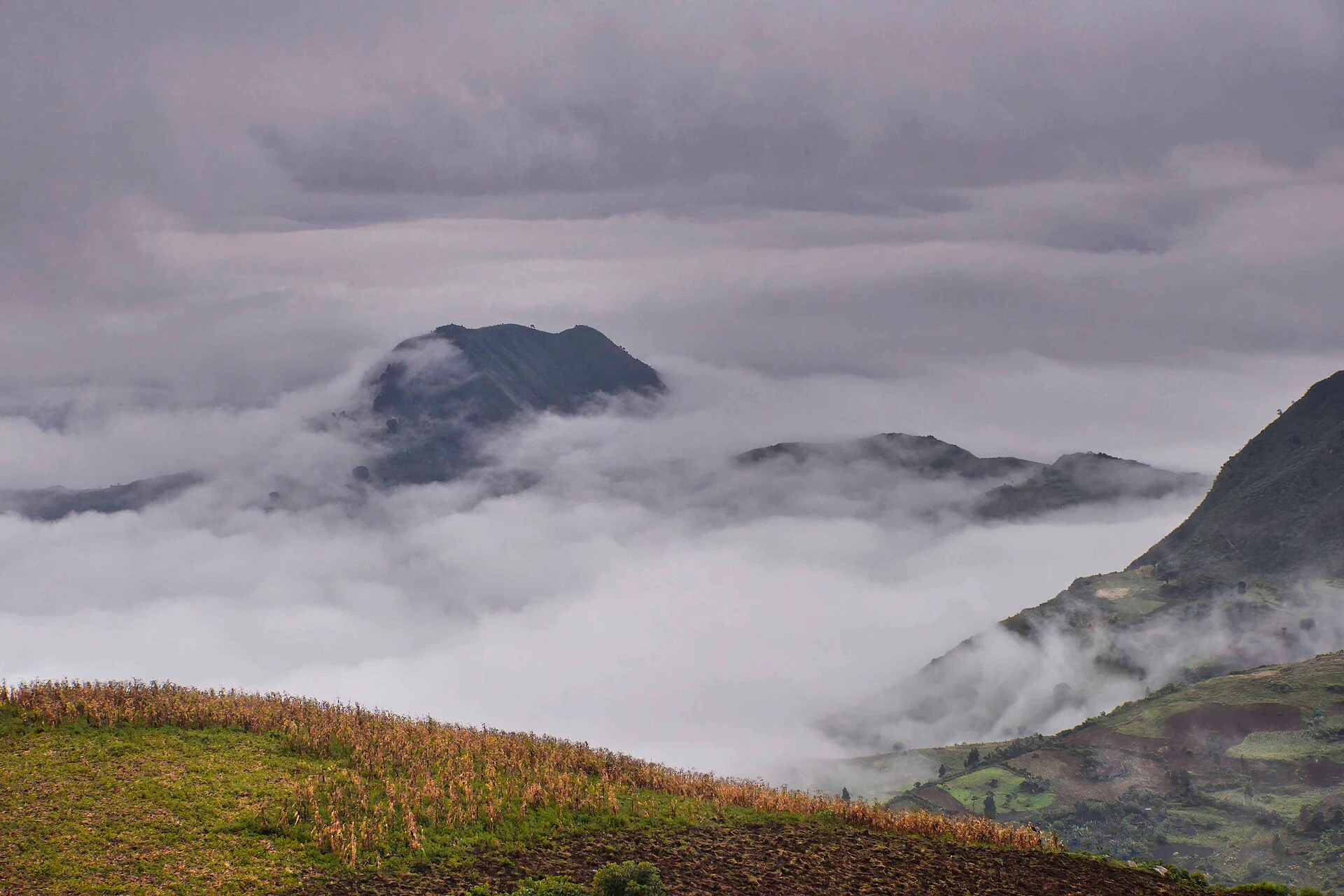
We own and operate 12+ washing stations across Sidama (with a strong focus on Bona Zuria), Yirgacheffe, and Guji.
01 · Sidama Region
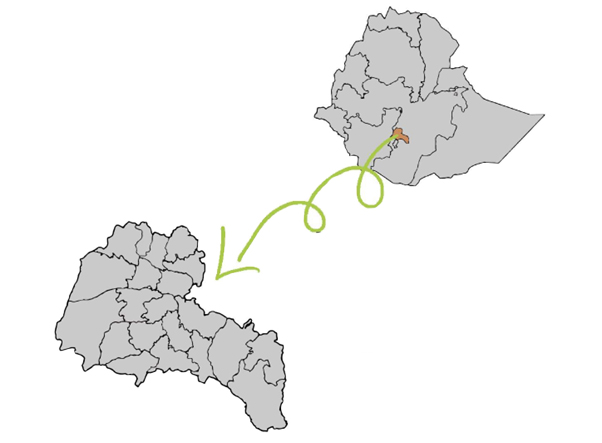
Sidama
Spice and citrus notes, crisp acidity, and a rich body.
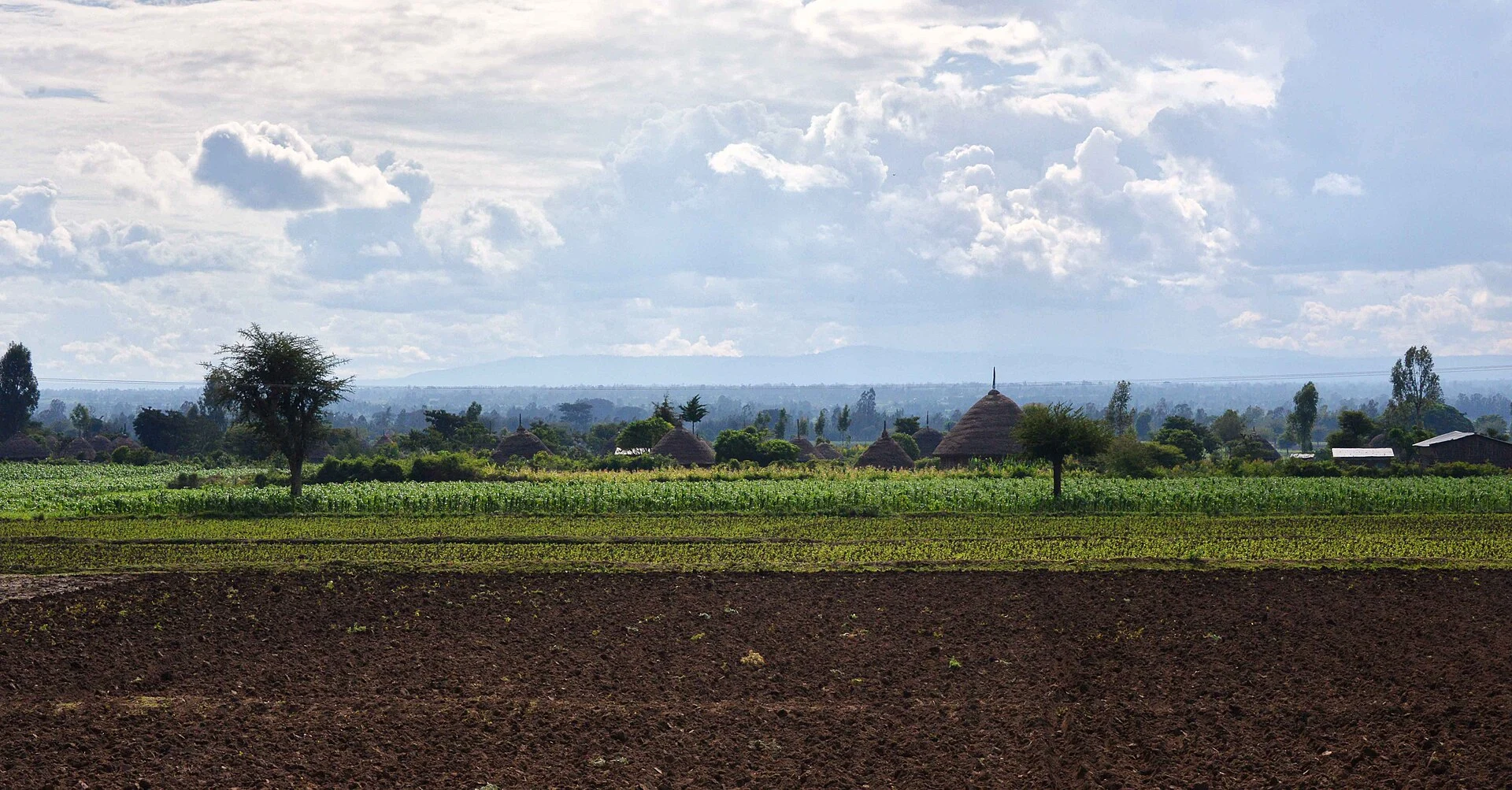
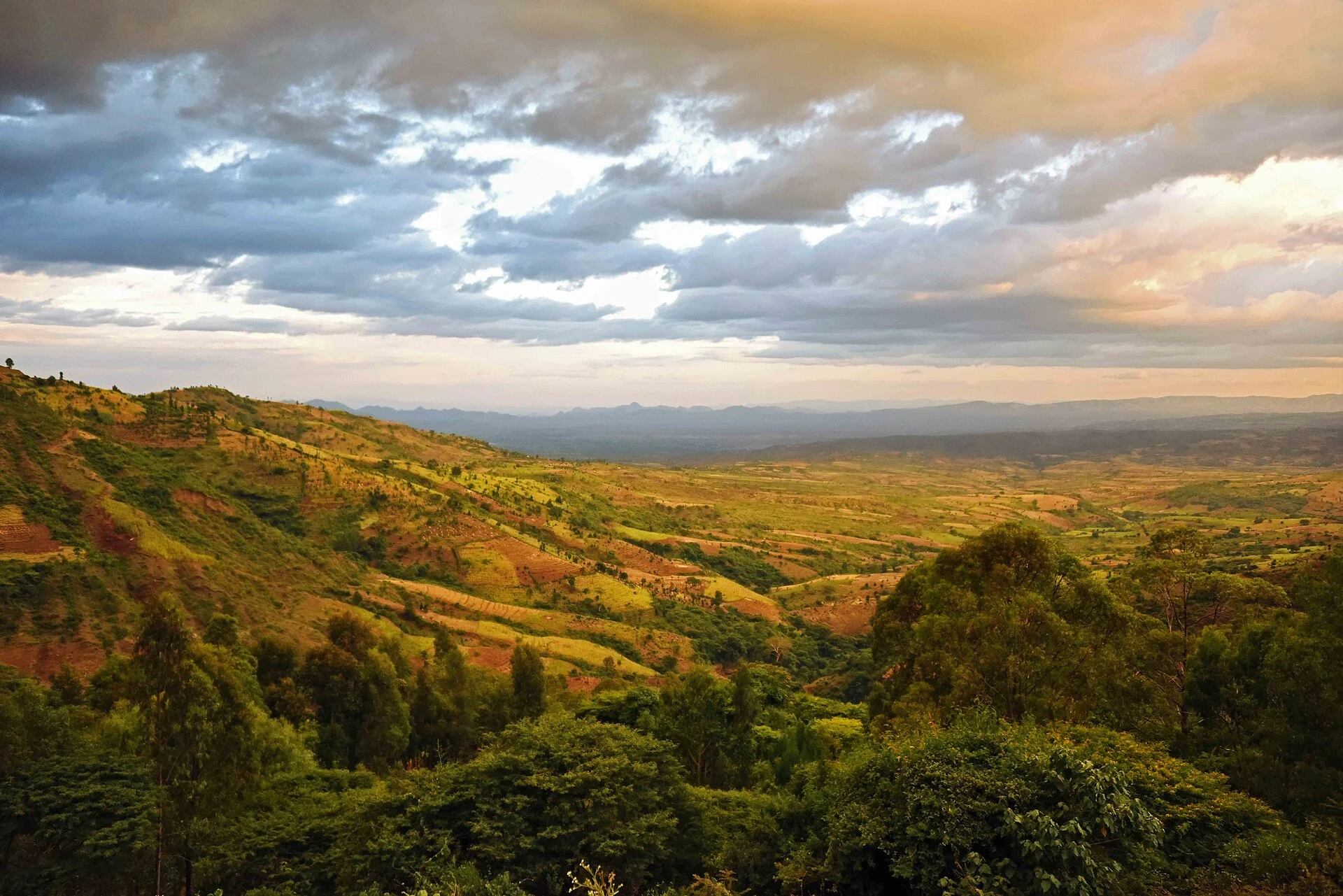
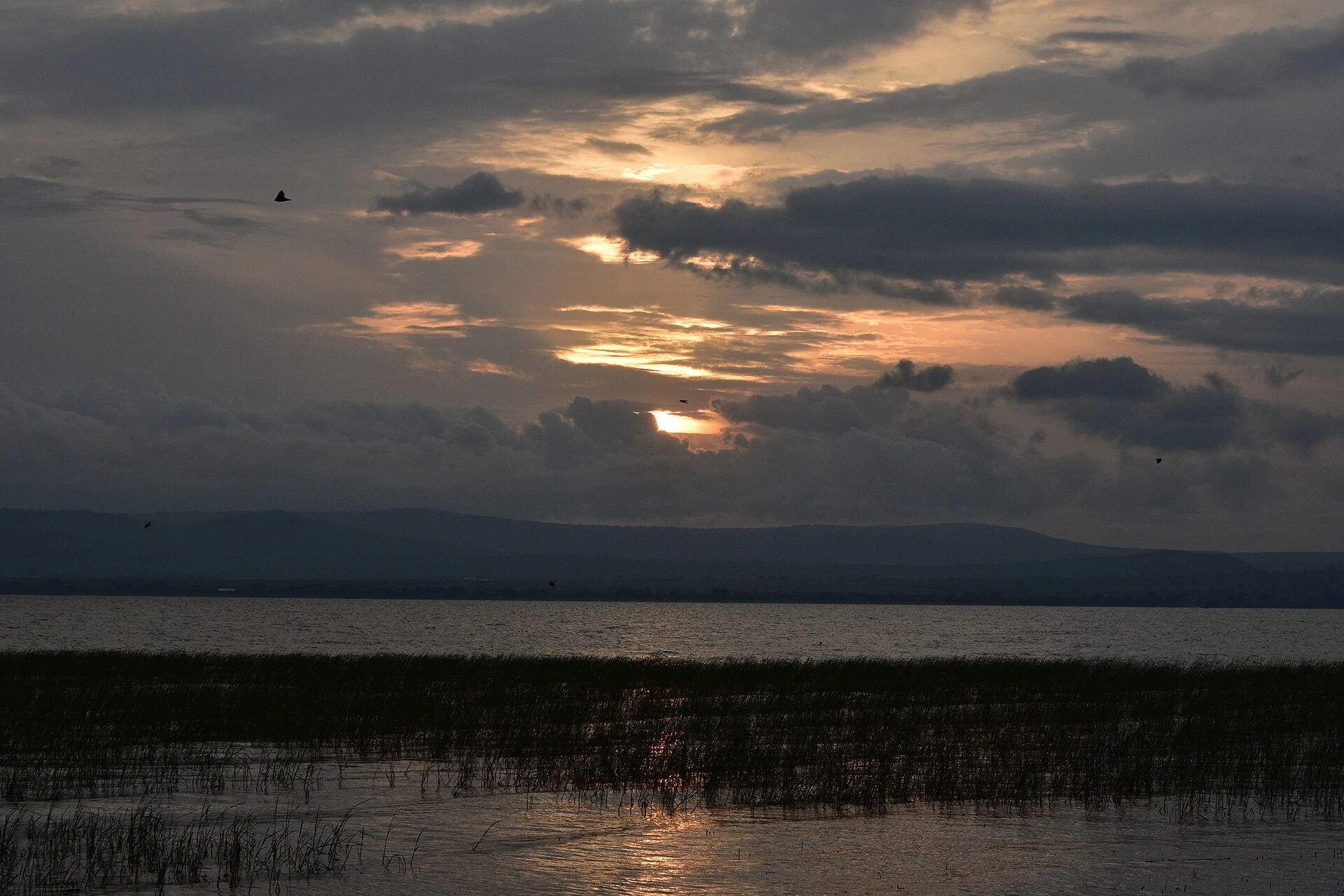
Washed & natural · 1,800–2,200 mSidama is the name of both the Sidama people and the Sidama territory. It is bordered to the south by the Oromia Region (except for a short stretch where it shares a border with the Gedeo zone), to the west by the Bilate River, which separates it from the Wolayita zone, and to the north and east by the Oromia Region. Towns in Sidama include Hawassa (the capital), Yirgalem, Wondogenet, Chuko, Hula, Bona, Bursa, Bensa and Aleta Wendo.
Sidama produces exceptional washed and natural coffee. Body: medium to full. Flavor notes: distinct spice and citrus. Bean: small to medium sized, green-gray to blue in color. Both washed and sun-dried (natural) processed.
- Body
- Medium to full
- Flavor
- Spice & citrus
- Bean
- Small–medium, green-grey to blue
- Process
- Washed & sun-dried natural
02 · Bona Zuria District
Bona Zuria & the Ayele Tulu Washing Station
One of the highest-altitude washing stations in Ethiopia.
Est. 2014 · 2,190 maslBona Zuria is one of the districts in the Sidama Region of Ethiopia, bordered to the south by Oromia, to the west by Hula, to the northwest by Bursa, to the north by Arbegona and to the east by Bensa. The major town is Bona. The farmers own and farm between 3 and 8 hectares of land each and have all been working in coffee for over a decade.
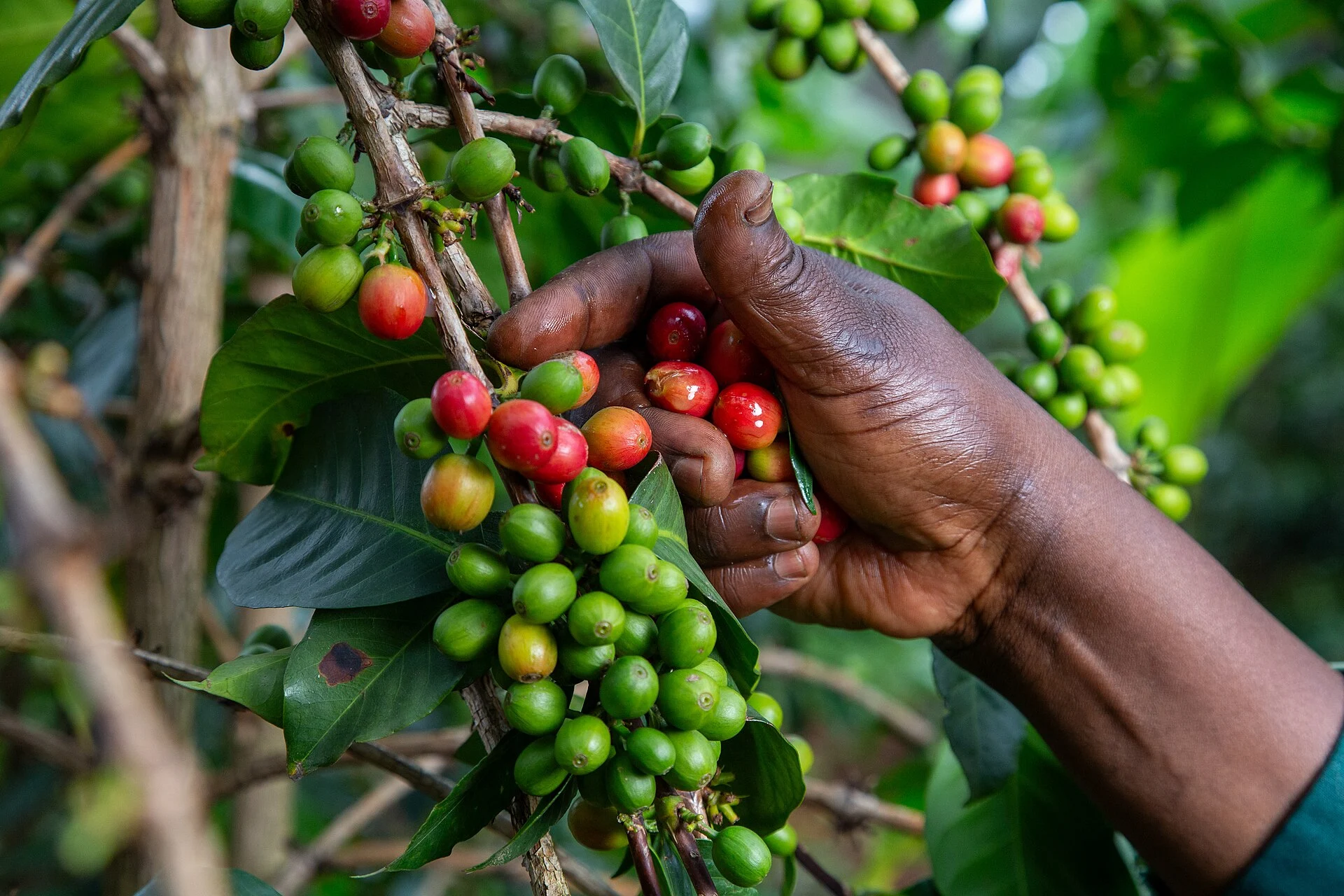
The varietals they grow have been selected over the years and consist of JARC (Jimma Agricultural Research Center) recognised CBD-resistant varietals identified in the mid-1970s, grown under shade. Farmers hand-pick the coffee cherries, inspect them and deliver them to the Ayele Tulu Washing Station, usually by horse or donkey.
The washing station sits at 2,190 masl, making it one of the highest-altitude washing stations in Ethiopia. It was officially founded in 2014 by Mr. Ayele Tulu, who has worked in coffee for more than two decades.
- Altitude
- 2,190 masl
- Founded
- 2014 by Ayele Tulu
- Farm size
- 3–8 ha
- Varietals
- JARC CBD-resistant, shade-grown
“Sidama Coffee: a phrase associated with spices and citrus notes, crisp acidity, and a rich body.”
Sidama origin profile
Our Coffee Processing
At Heleph Coffee, we blend traditional Ethiopian methods with innovative fermentation techniques to produce exceptional, traceable coffees. Our processes highlight the unique flavors of Ethiopia's heirloom varieties, ensuring sustainability and quality from farm to cup.
01 · Traditional
Natural (Dry) Process
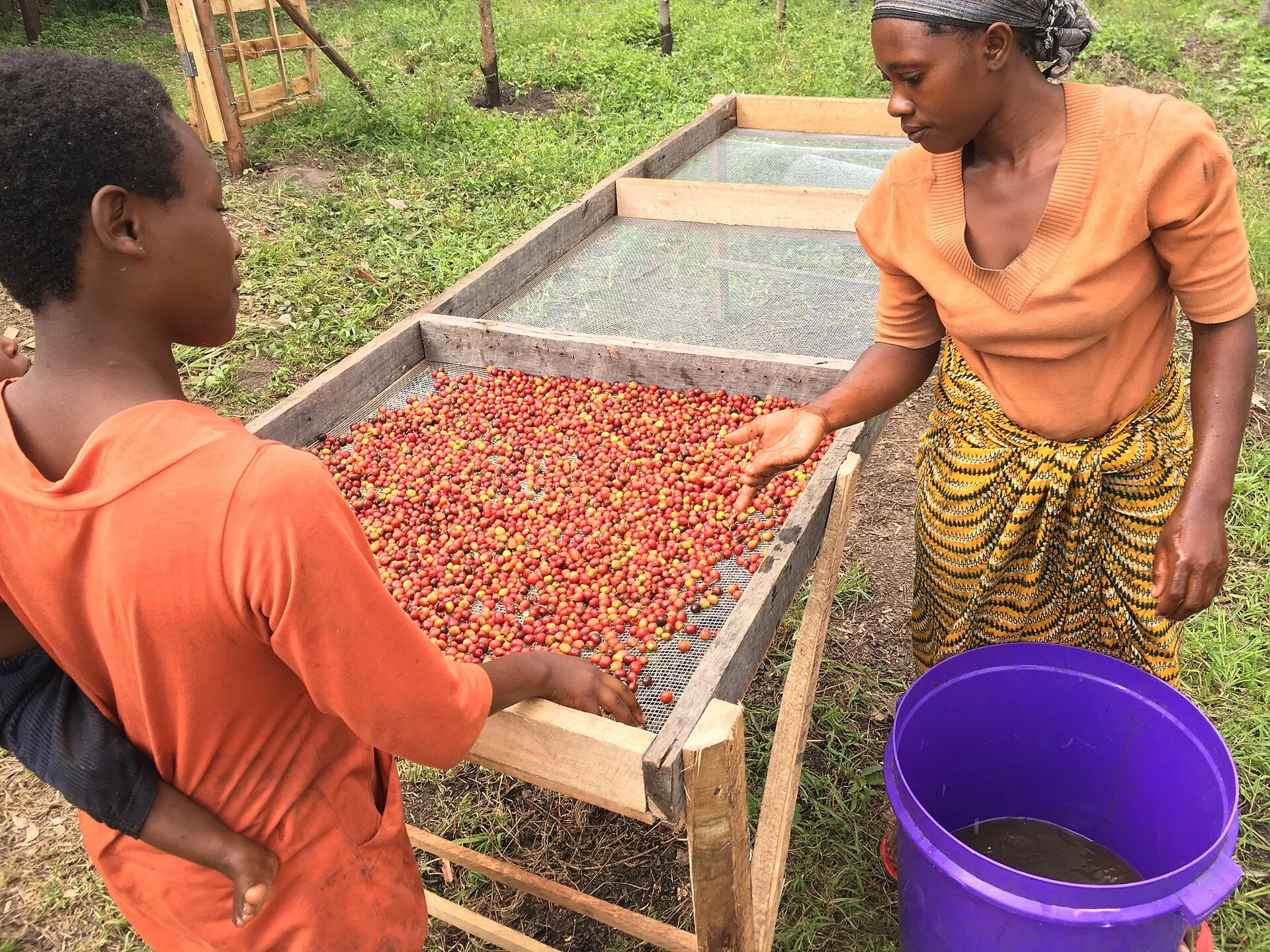
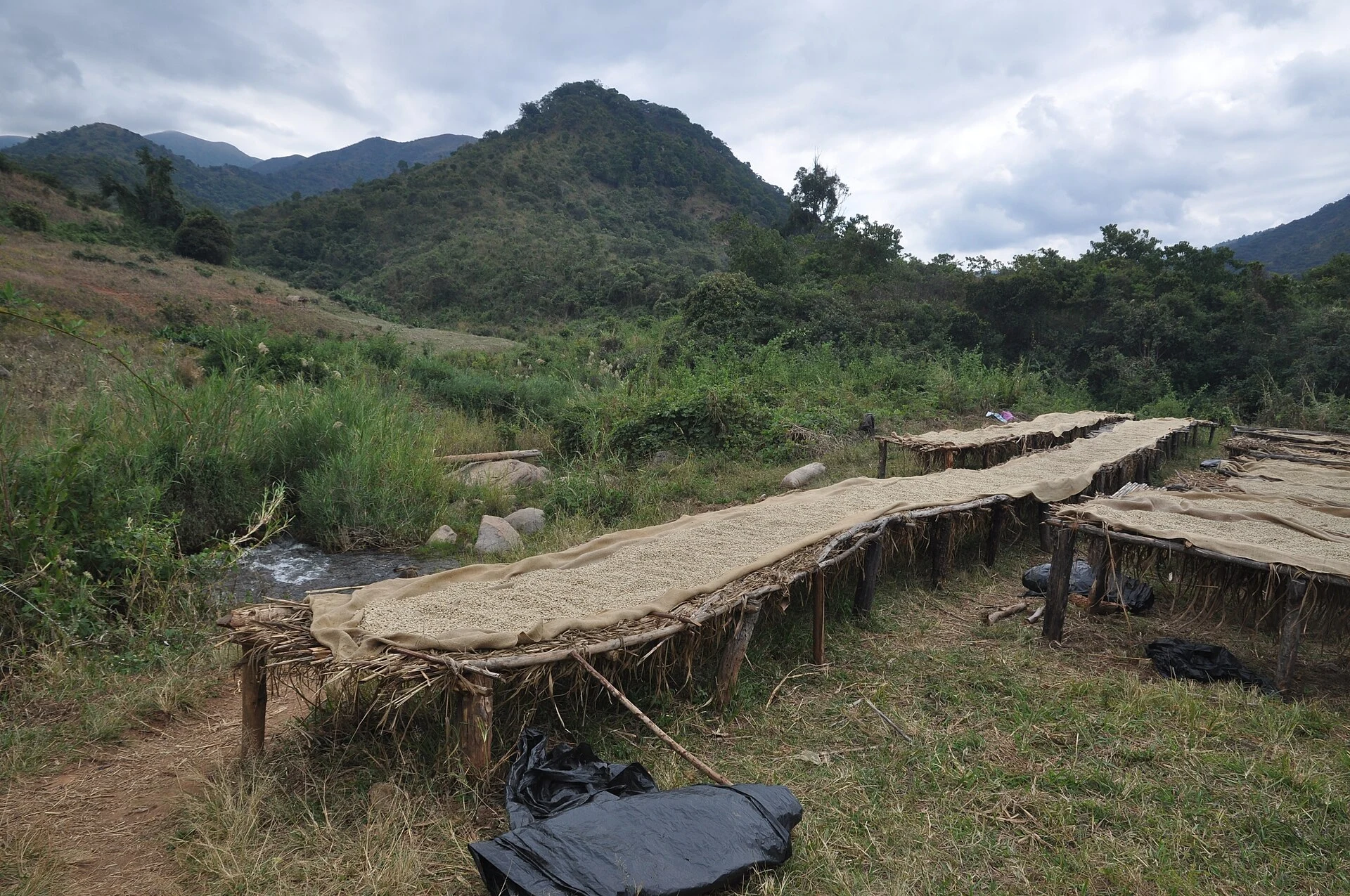
In the dry or “natural” process — the traditional Ethiopian method — coffee cherries are dried whole on raised beds for 2–4 weeks. This allows the fruit to impart sweet, fruity notes like berries and chocolate to the beans. It is eco-friendly, using minimal water, and results in bold, full-bodied coffees.
Request Samples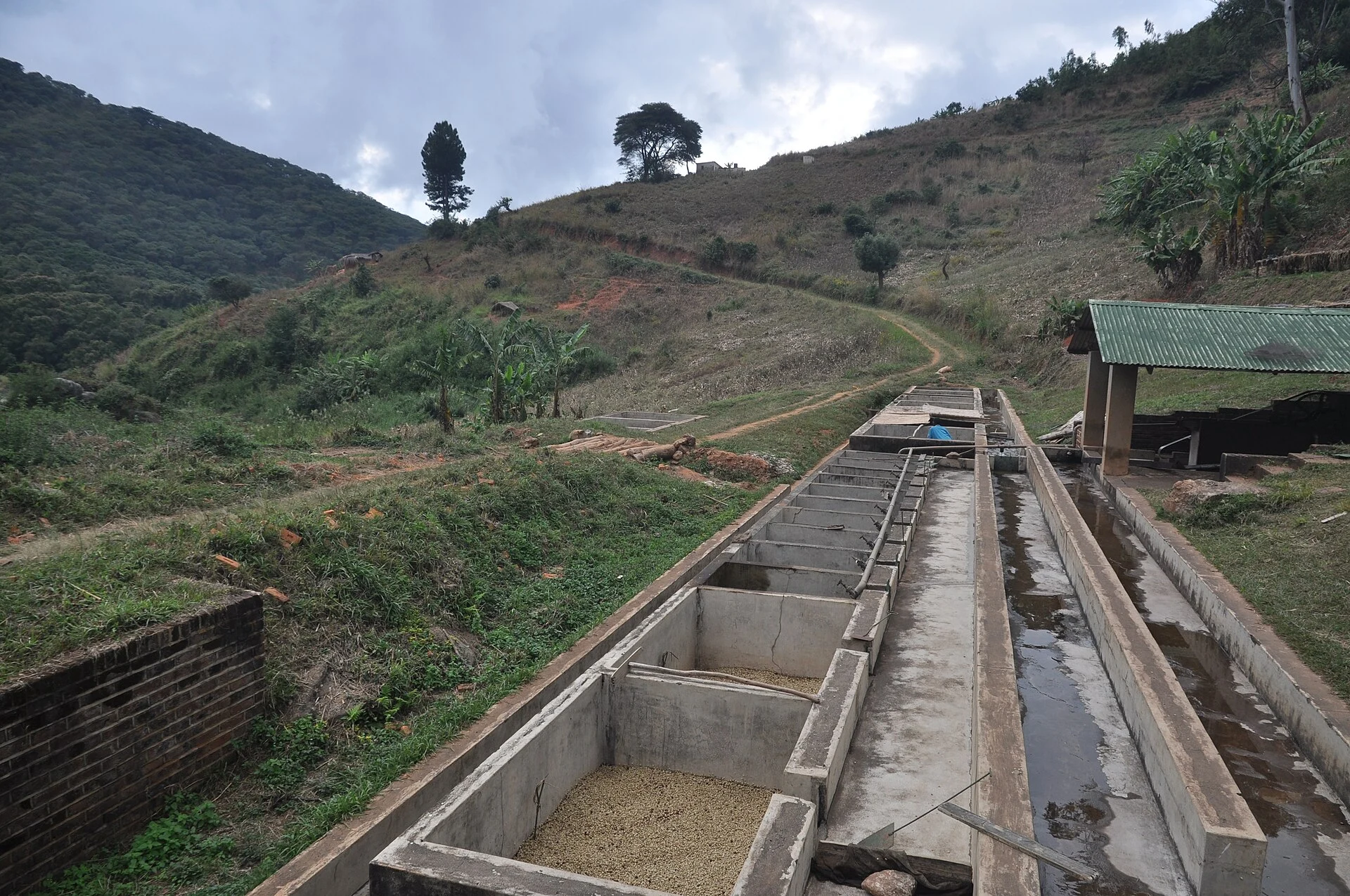
02 · Clean & Bright
Washed Process
Our washed coffees undergo depulping to remove the skin, followed by 36–72 hours of fermentation in water tanks to break down mucilage. Beans are then washed and dried, yielding clean, bright profiles with floral and citrus acidity — perfect for highlighting Ethiopia's terroir.
Request Samples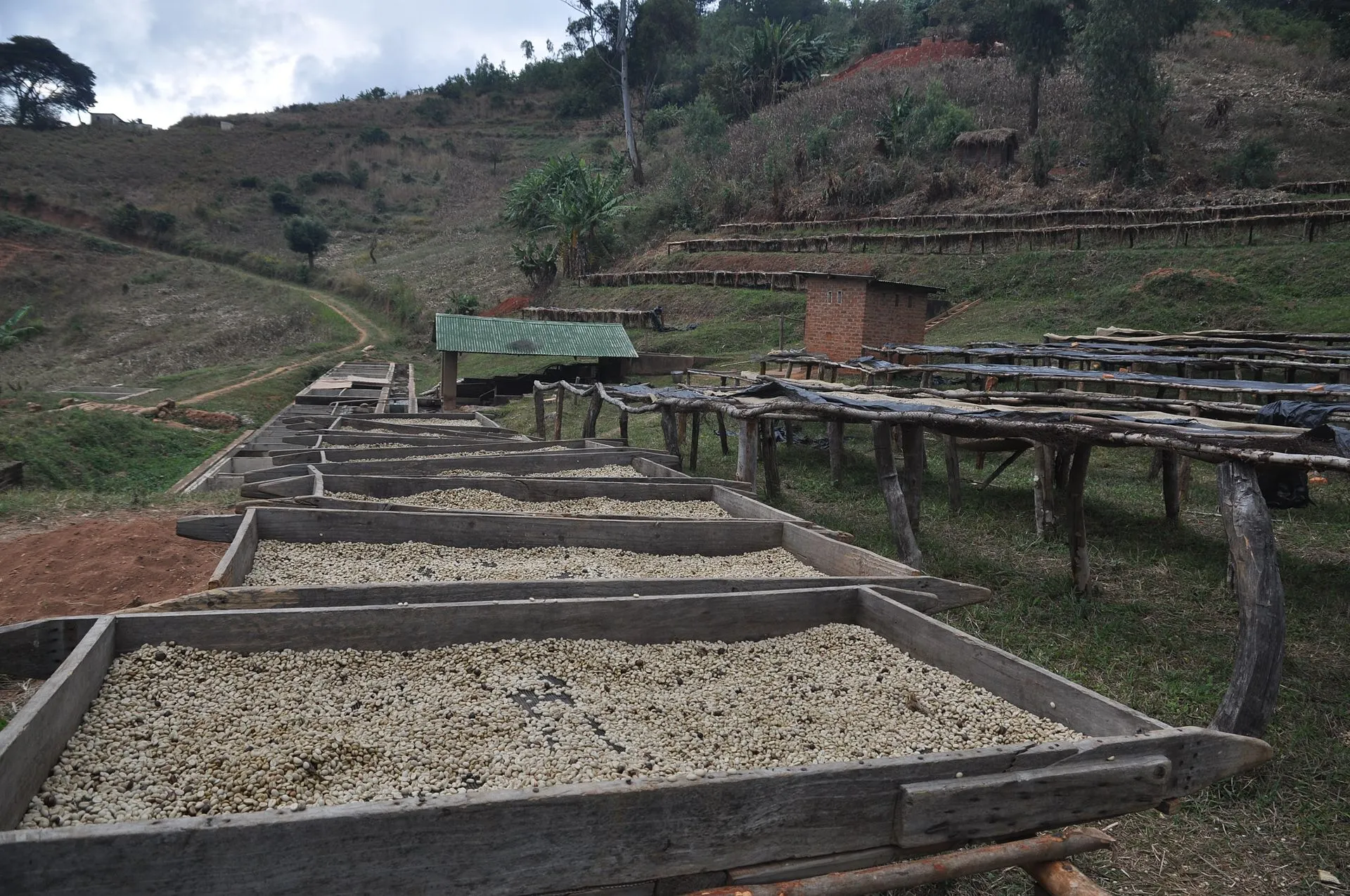
03 · Sweet & Syrupy
Honey Process
In honey processing, we remove the cherry skin but leave varying mucilage layers (black, red or yellow honey depending on the amount). Dried on raised beds, this creates sweet, syrupy coffees with stone fruit and honey notes, balancing washed cleanliness and natural fruitiness.
Request Samples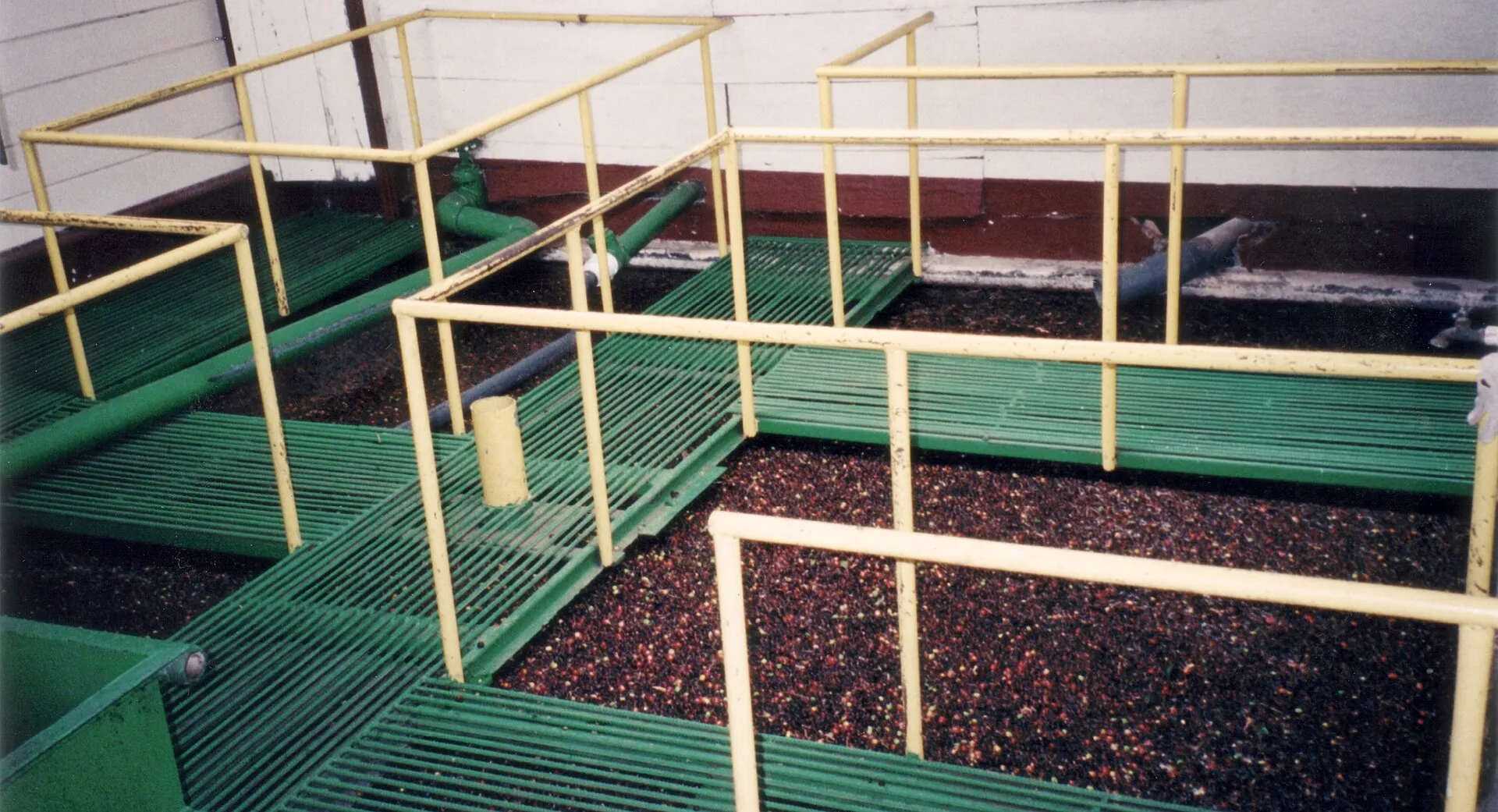
04 · Experimental
Anaerobic Honey & Infusion
Anaerobic fermentation occurs in sealed, oxygen-free tanks for 36–100 hours, enhancing complex flavors like tropical fruits and wine. Combined with honey processing, it produces innovative lots with infused notes. We experiment with fruit infusions during fermentation for unique profiles.
Request Samples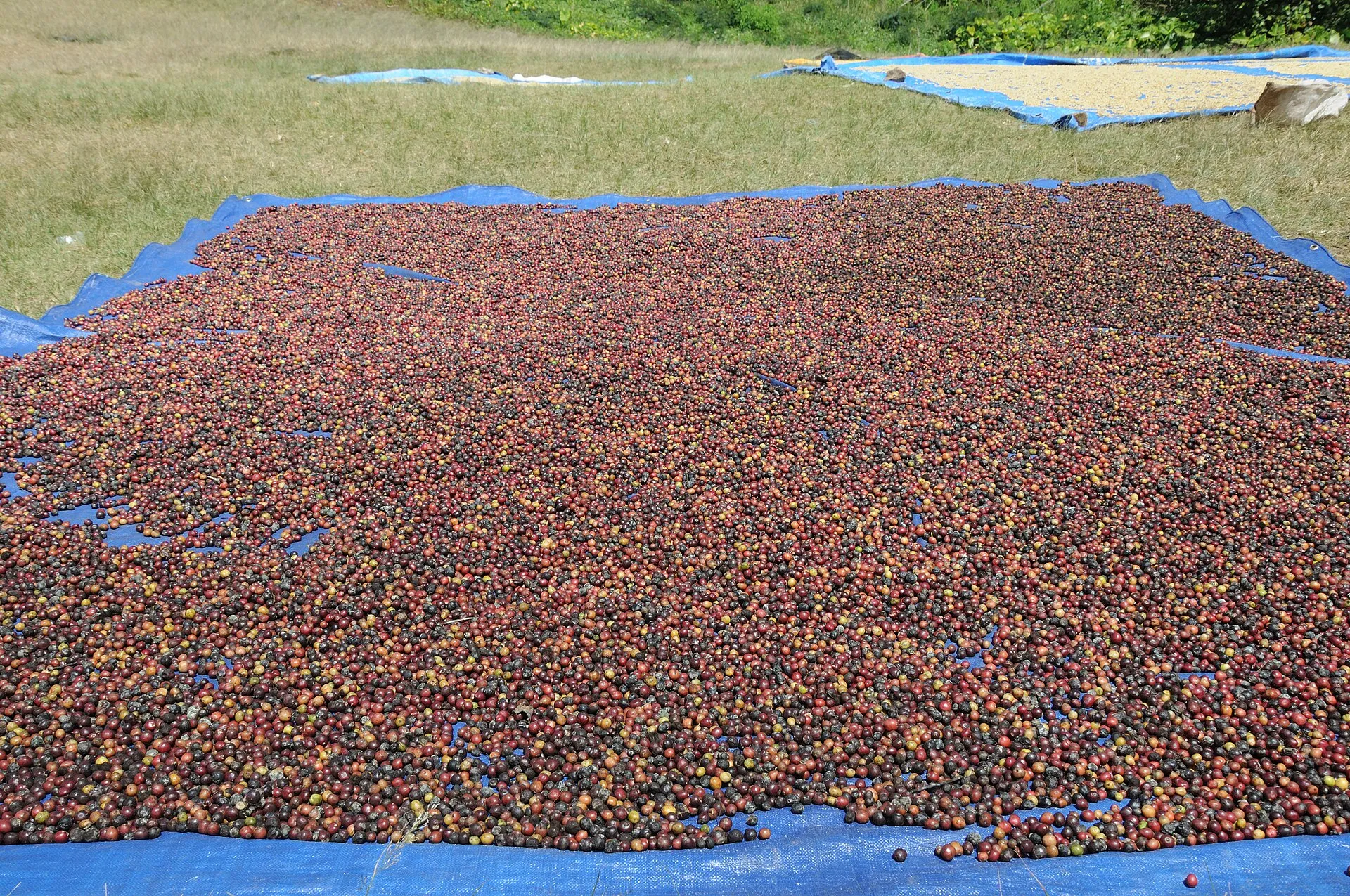
05 · Controlled
Low Oxygen (Hypoxia) & Fermnet
Low-oxygen processes limit air exposure during fermentation, similar to anaerobic but with controlled hypoxia for subtler enhancements. “Fermnet” refers to our net-based drying during fermentation, preventing over-fermentation while promoting even airflow. These yield balanced, nuanced coffees.
Request SamplesSmall Lots, Precise Separation, Distinct Profiles
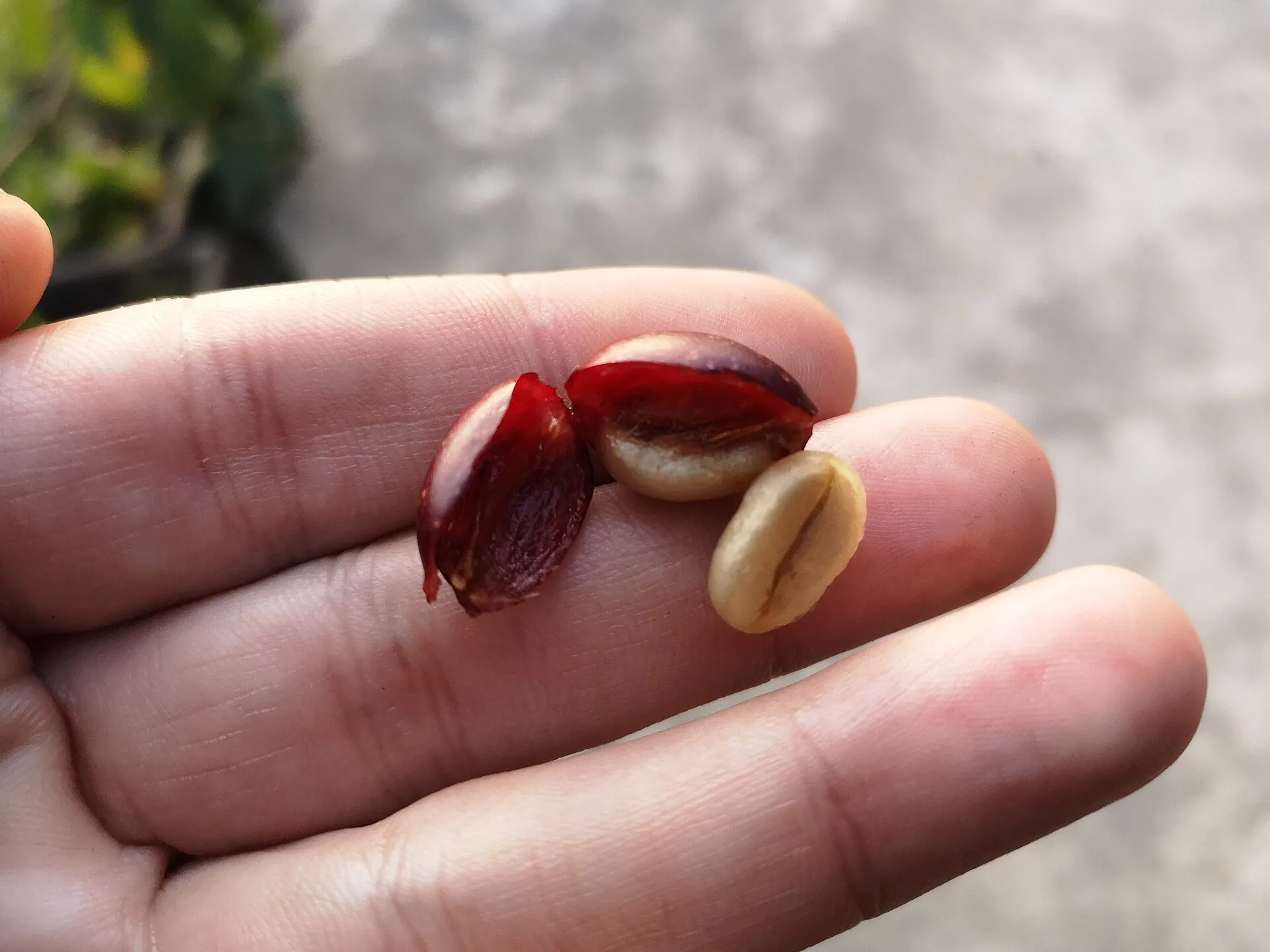
Each lot is kept apart from cherry intake to export — by plot, by picking day or by farm — so its origin stays exact all the way to the bag.
06 · Specialized Lots
Micro, Nano, Day, Single Farm & Double Layer Lots
Traceable, high-scoring coffees (85+ points) with distinct profiles.
Grade 1 · Natural · Bona ZuriaOur single-origin lots come from 12 selected single farmers in Bona Zuria, each working a few hectares of shade-grown coffee. Cherries are processed naturally and kept separate through drying, milling and export, so every bag traces back to one farm.
- Micro / Nano Lots — Small batches (1–10 bags) from specific plots, fully traceable for premium quality and unique flavors.
- Day Lots — Harvests separated by picking day, ensuring uniformity and peak ripeness in every lot.
- Single Farm — Sourced from one estate, showcasing the individual terroir of a single grower.
- Double Layer — Drying in controlled layers on raised beds for even moisture removal, enhancing clarity in the cup.
- Single farmers
- 12
- Grade
- Grade 1
- Cup score
- 85+
- Lot size
- 1–10 bags
Full control from ripe cherry to export-ready green coffee.
12+
Owned Washing Stations
2,190 m
Highest Station Altitude
100%
Lot-Level Traceability
85+
Specialty Cup Scores
Four Pillars Behind Every Lot We Export
Owning the washing stations lets us control quality at the source and stand behind the origin of every bag.
Full Traceability
Every lot can be traced back to its washing station, picking day and — for specialized lots — the individual farm, so you know exactly where your coffee comes from.
Owned Washing Stations
We operate 12+ washing stations across Sidama, Yirgacheffe and Guji, giving us direct control over processing from cherry intake to dried parchment.
Uncompromising Quality
Selective hand-harvesting of ripe cherries, color sorting, and rigorous cupping and grading at every stage before a lot is approved for export.
Direct Trade Partnerships
Long-term relationships with smallholder farmers and roasters, built on fair pricing, transparency and shared investment in quality.
Ready to Source Single-Origin Ethiopian Coffee?
Tell us what you're looking for and we'll help you find the right lots from our washing stations. We're happy to send samples and discuss availability.