
Meet the People Behind Ethiopian Coffee
Discover the stories of Ethiopian coffee farmers whose knowledge, dedication, and connection to the land help shape traceable specialty coffee at Heleph Coffee.
Ethiopian coffee is built on people, place, and purpose.
At Heleph Coffee, farmer success is connected to coffee quality, traceability, and long-term relationships. Our farmer stories show how individual growers and coffee producers contribute to the specialty coffee journey from Ethiopian origin to global markets.
Through technical practices, market access, cooperative relationships, and coffee export partnerships, Heleph works to strengthen the value created around coffee at origin.
Stories from the source.
Explore individual farmer journeys from Sidama and beyond, including coffee practices, family histories, and supply-chain relationships documented through Heleph.
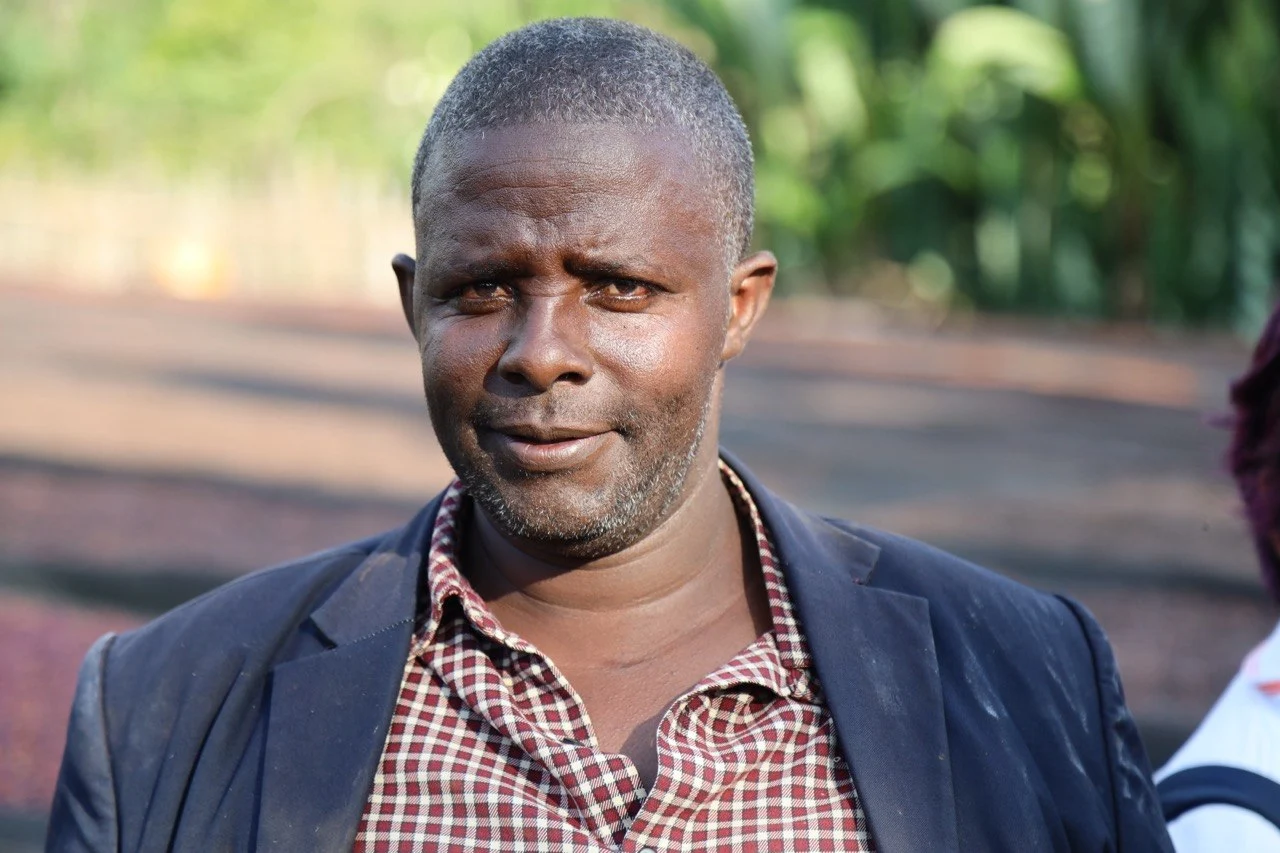
Teshale Heurioso
Teshale Heurioso is known in the Bona Qeqe microregion, part of the larger Bona region of Sidama, as one of the finest coffee farmers in the area. He is the second generation of his family to cultivate the highland land and now farms with his wife and six children.
Before exporting coffee from his farm, Teshale was an active member and treasurer of the local cooperative in Bona for six years. He had long dreamed of exporting his own coffee and began exporting his first batch in 2019.
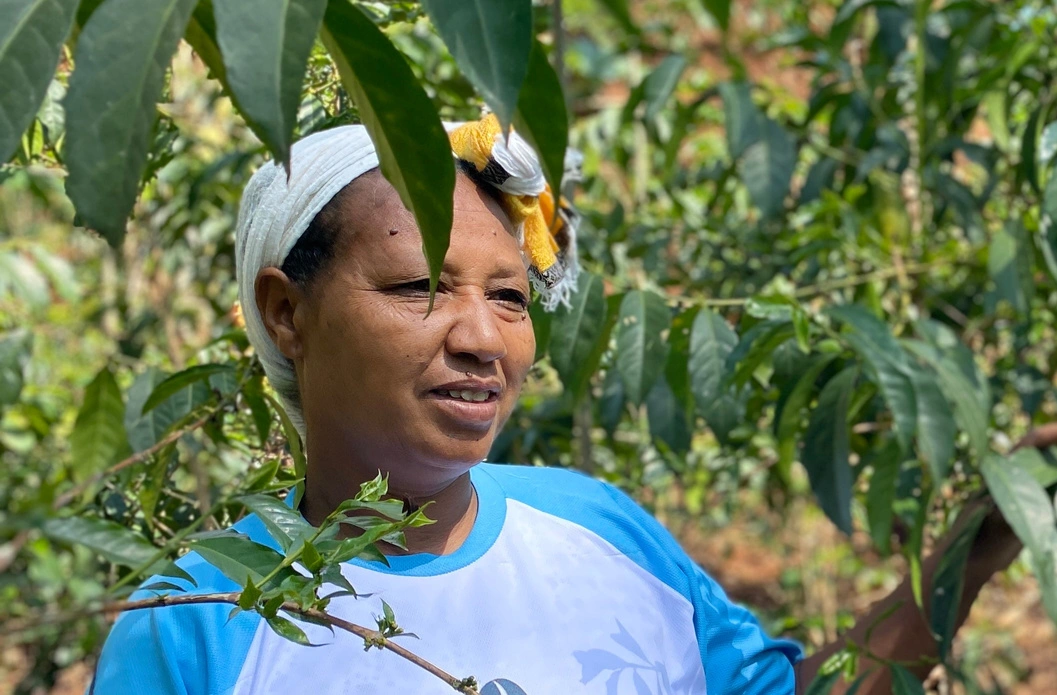
Meselech
Meselech is a coffee farmer in Bensa, Sidama, where she owns a 3.5-hectare farm. She began farming in the 1990s after inheriting the land from her father, and her experience is reflected in the quality of her coffee.
Meselech works with Heleph Coffee Exporter. Her traceability report describes the partnership as helping her receive the profits associated with selling her exported coffee, which is the primary source of income for her husband and five children.
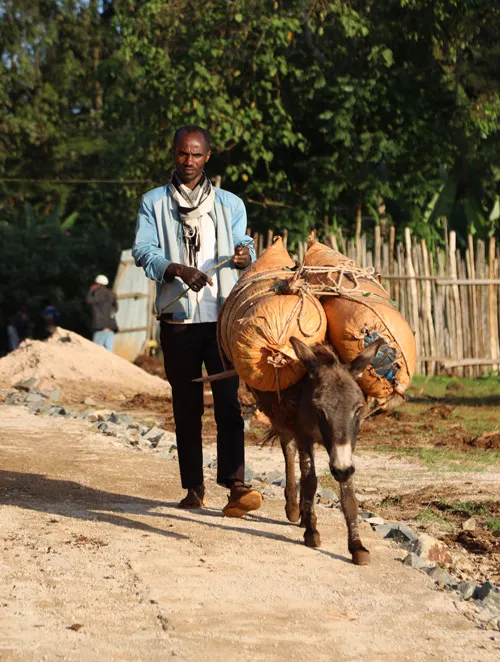
Girma Legesse
Girma Legesse works in the Bensa eco-region, where he protects the Shanatwene Forest while harvesting wild coffee. His story highlights the connection between coffee production, forest stewardship, and market access.
According to the supplied story, export partnerships with Japanese buyers enabled Girma's cooperative to sell 19,200 kg in 2024, with reported net earnings of ETB 35,944,624. The story connects this income with better education for his children and continued eco-friendly practices supporting the local economy.
Adanech Tesfaye
Adanech Tesfaye's story highlights challenges faced by smallholder coffee farmers, including low yields and limited access to markets. Through training in sustainable farming and cooperative export support, the story connects improved coffee practices with stronger household livelihoods.
The supplied page states that the farmer's coffee income tripled by 2020, enabling greater household improvements, additional help on the farm, and broader support for family and community.
Ayelech Kure
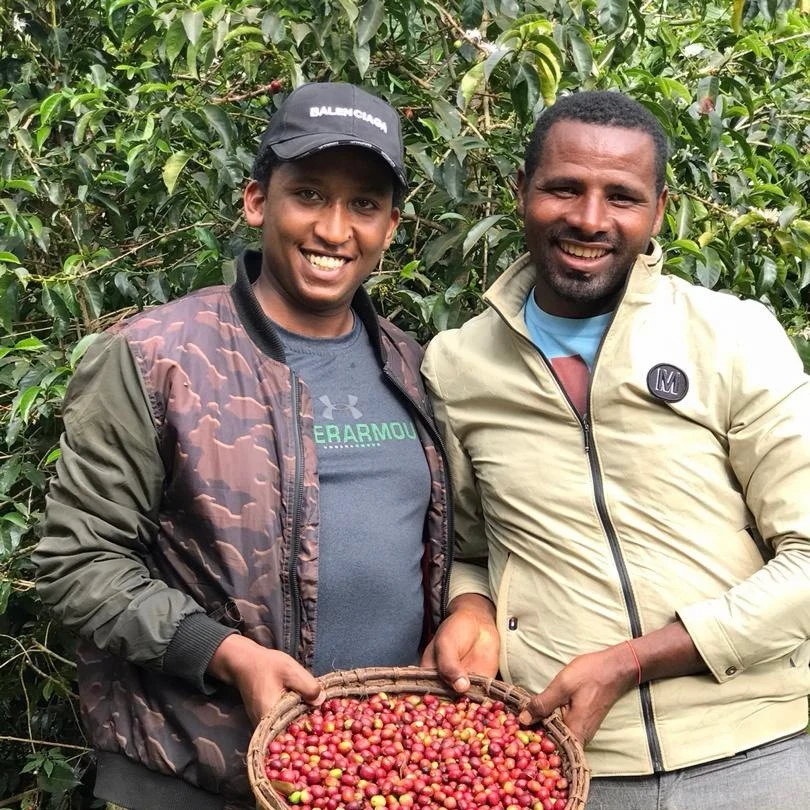
Ayelech Kure and her husband Futuna participated in Heleph's training and, according to the supplied story, increased their savings and credit engagement to 100%.
Their story presents a wider community effect: building a stronger enterprise, diversifying income sources, improving financial security, and passing resources forward to other families.
Degife Burka
Degife Burka is part of the Solina coffee project in Miride village, Sidama, where high-altitude growing conditions support exceptional coffee quality and careful production practices. Her contribution is rooted in the community-based work of selecting ripe cherries and preparing them with a distinctive natural process.
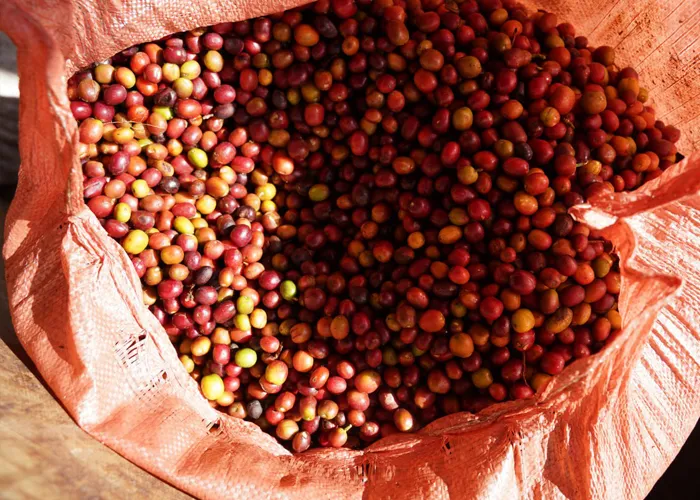
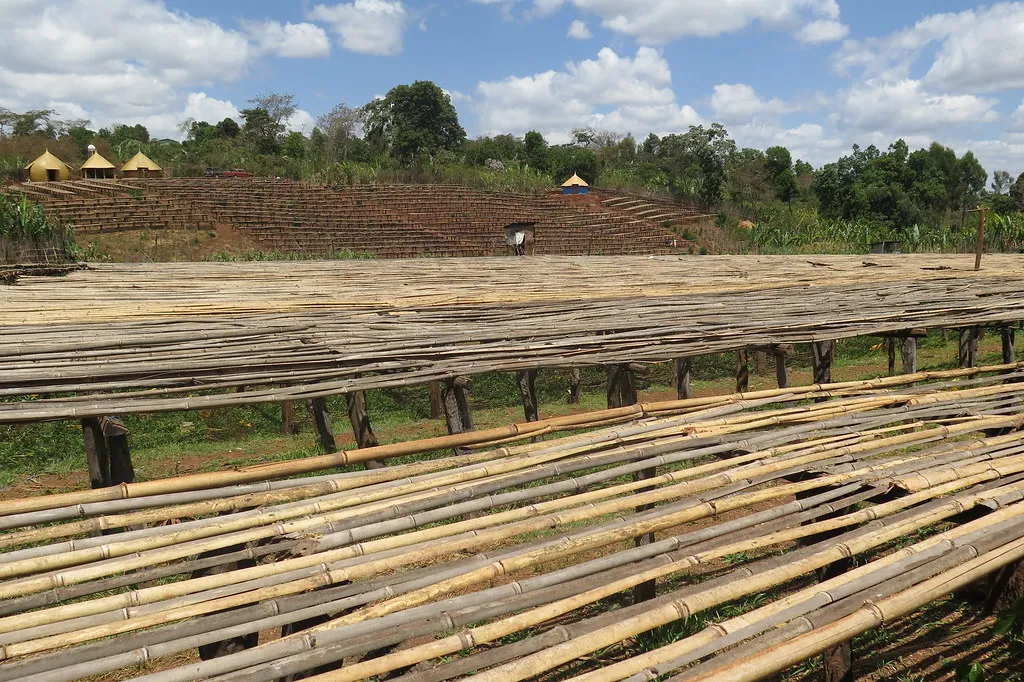
The Sidama region is known for its steep highlands, rich soils, and favorable microclimates, and this growing environment helps shape the expressive profile associated with the coffee from Bona Miride. The process begins with farmers handpicking fully ripe cherries and transporting them to the washing station for sorting and drying.
Quality is built into the process.
The traceability reports supplied for Teshale and Meselech show how farmer-level information can connect coffee origin with harvesting, processing, drying, moisture management, and final coffee characteristics.
These details make Ethiopian specialty coffee more transparent while giving roasters and buyers a clearer understanding of the coffee behind the cup.
Beyond a better harvest.
Farmer success is closely connected to the quality, resilience, and long-term sustainability of coffee-growing communities.
Knowledge
Training and technical practices can strengthen harvesting, drying, processing, and coffee quality management at farm level.
Market Access
Strong relationships with exporters, roasters, and buyers can create clearer pathways from coffee origin to global markets.
Family & Community
Coffee income can contribute to household needs, education, farm investment, and wider community resilience.