
Bona Zuira Honey
Story
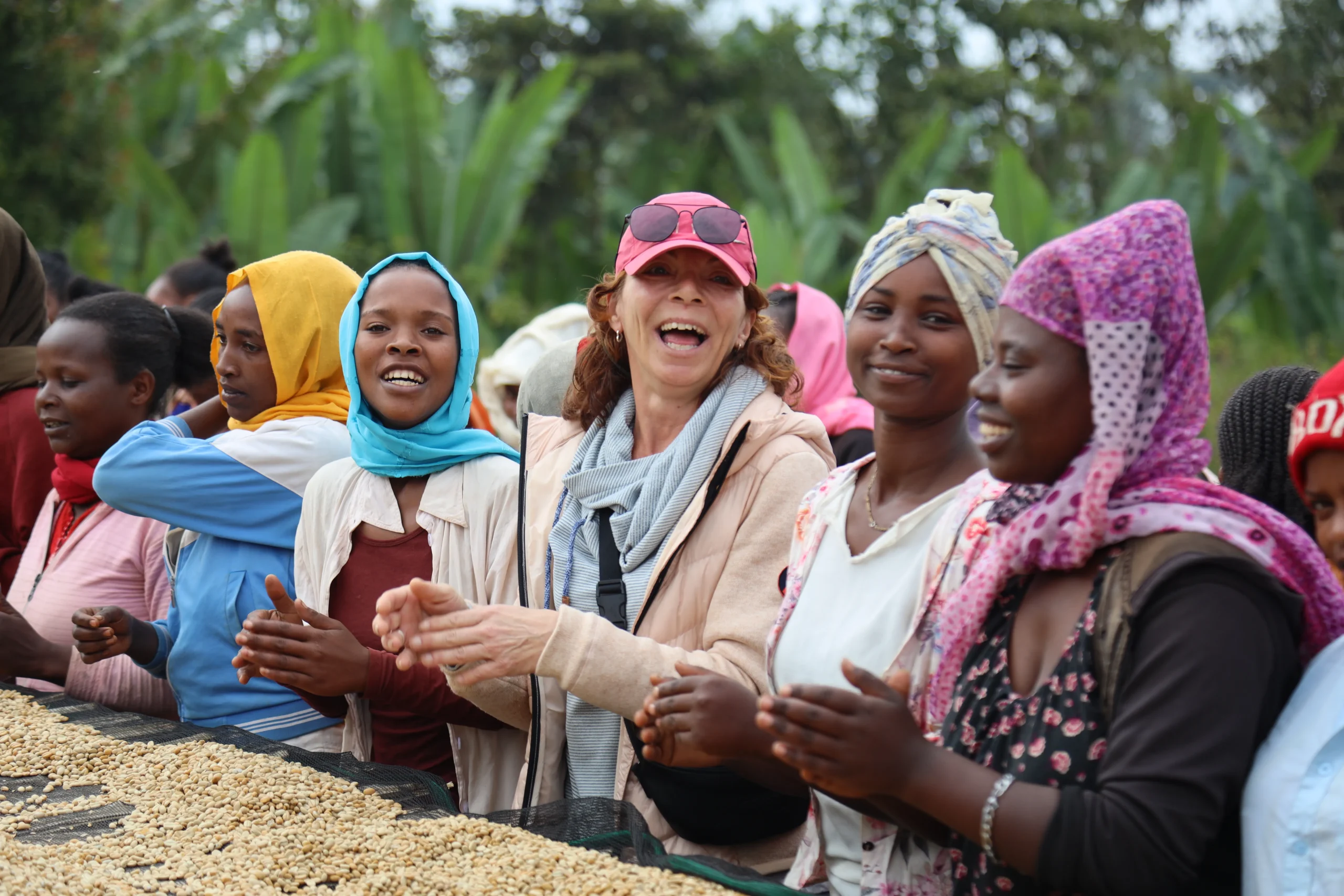
Farmers in Bona Zuria introduced honey processing to add value and diversify their income. The method is now a favorite among younger producers seeking innovative approaches.
Quality Process
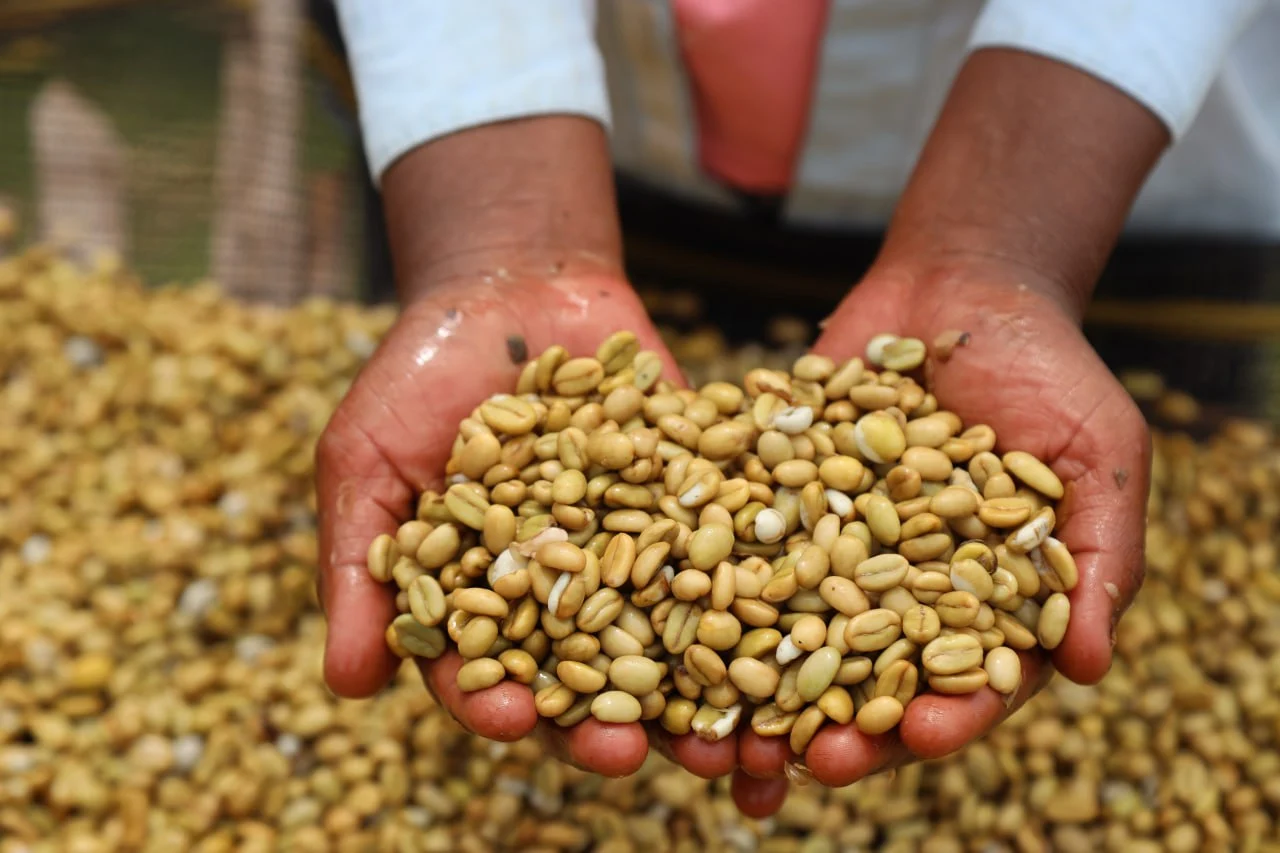
Cherries are pulped but not washed. Mucilage‑covered parchment dries under controlled shade for 15–20 days, requiring constant turning to prevent clumping.
Request Sample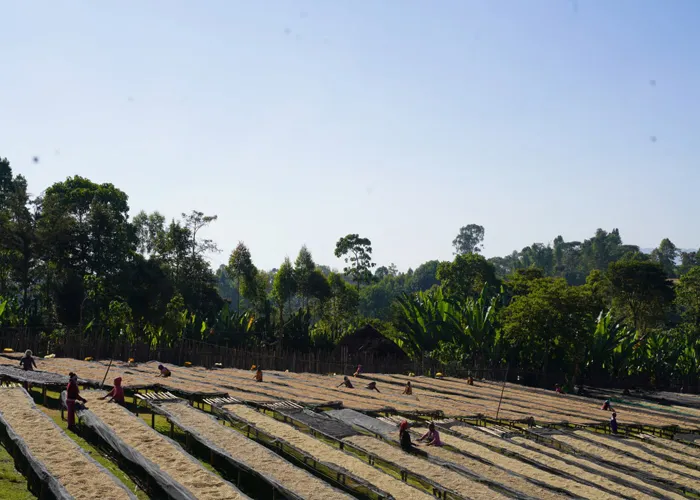
Origin & Farmer Communities
Our 2025 selection highlights coffees from Sidama, Guji, Yirgacheffe, and West Arsi, representing diverse microclimates, elevations, and farming traditions. These coffees were produced by smallholder farmers cultivating between 0.5–2 hectares each, relying on organic, sustainable, and heritage-based agricultural practices.
Traceability & Processing Practices
All coffees were tracked using batch-level separation, meaning each lot was kept distinct from cherry intake through drying, milling, and export. For washed coffees, parchment traceability logs were maintained at the washing stations, documenting fermentation durations, drying times, and lot identifiers. Natural and honey lots used bed-level tagging to ensure separation of individual day lots.
Processing methods included:
- Washed: 36–72 hr fermentation, clean channels, water filtration, raised-bed drying.
- Natural: 15–25 days of sun drying with three daily turnovers.
- Honey: Mucilage-intact drying under controlled shade.
- Anaerobic: Oxygen-free tank fermentation with 48–72 hr sealed-environment control.
Supply-Chain Integrity
Once dried, each lot was delivered to the regional dry mill where it underwent optical sorting, density grading, and final quality evaluation. Chain-of-custody documentation was signed at each stage.
producer → washing station → dry mill → exporter to ensure complete transparency. Final lot profiles were cupped and verified prior to export.
Commitment to Community & Sustainability
Each purchase supports smallholder farmers through premium payments above local market rates, investment in drying-bed maintenance, and training programs for selective harvesting and fermentation control. Many growers remain part of multi-year partnerships focused on improving both quality and environmental stewardship.
Let's Talk
Ready To Source Single Origin Ethiopian Coffee?
Tell us what you're looking for and we'll help you find the right lots from our washing stations. We're happy to send samples and discuss availability.
Start a conversation