
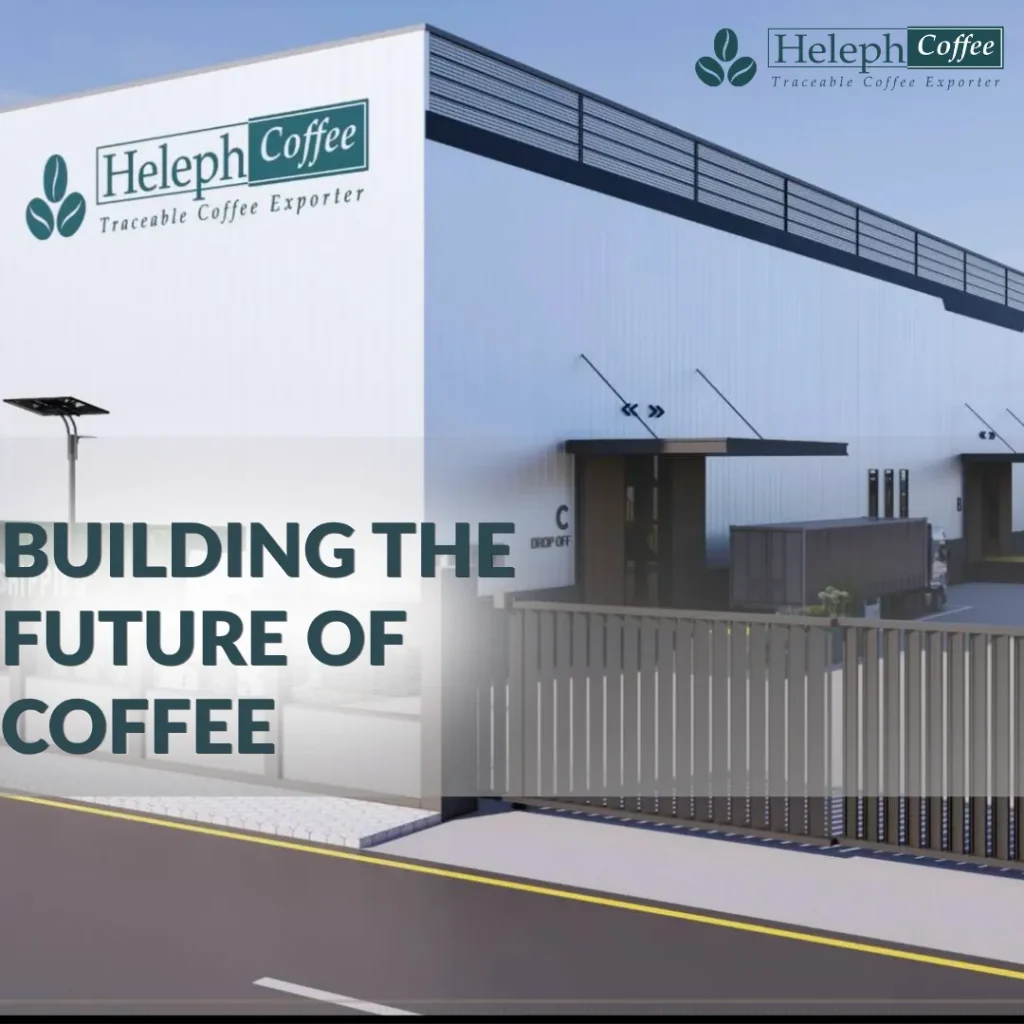
From quality storage to a stronger coffee supply chain, Heleph Coffee’s warehouse project is designed to support the growth, consistency, and long-term potential of Ethiopian coffee.
Ethiopian coffee is recognized around the world for its distinctive origins, complex flavors, and rich cultural heritage. But producing exceptional coffee is only part of the journey. Behind every great cup is an extensive supply chain that depends on proper handling, storage, logistics, and quality management.
That is where Heleph Coffee’s warehouse project comes in.
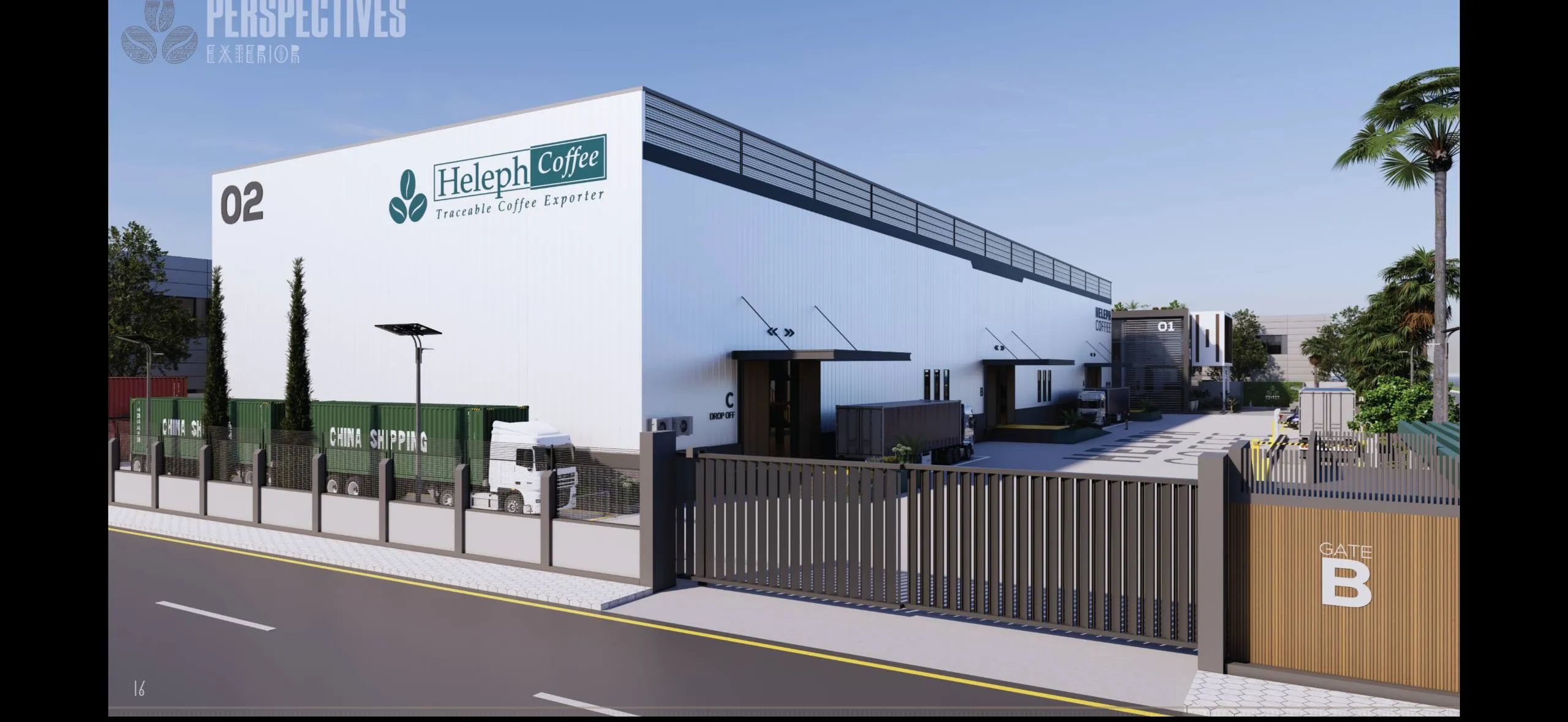
The project represents an important step toward strengthening the infrastructure behind coffee operations while creating a more organized and reliable environment for managing coffee from storage to distribution.
Why Coffee Warehousing Matters
Coffee quality does not depend solely on where the coffee is grown or how it is processed. What happens after processing can also have a significant impact on the final product.
Proper warehousing helps protect coffee from environmental factors such as moisture, temperature fluctuations, contamination, and poor handling. A well-managed warehouse can also improve inventory control, operational efficiency, and the overall movement of coffee through the supply chain.
For a coffee company operating in Ethiopia’s competitive and growing coffee industry, having reliable storage infrastructure is therefore more than a logistical advantage it can become an important part of maintaining quality and building long-term growth.
Heleph Coffee’s Vision for Better Coffee Infrastructure
Heleph Coffee’s warehouse project reflects a broader focus on developing the infrastructure necessary to support coffee operations efficiently.
The project is designed to provide a dedicated environment where coffee can be managed and stored in a structured manner while supporting the company’s wider operations.
Rather than viewing warehousing simply as a place to keep coffee, the project highlights the importance of creating systems that connect quality, storage, logistics, inventory management, and customer demand.
This approach can help create a more dependable path between coffee producers, processors, exporters, businesses, and ultimately consumers.
Protecting Coffee Quality Beyond Processing
One of the most important responsibilities of a coffee warehouse is protecting the condition of coffee after it has been processed.
Coffee can be affected by its surrounding environment. Poor storage conditions can create risks that may compromise quality and reduce the value of the product.
A properly managed warehouse provides an opportunity to establish controlled processes around:
- Coffee storage
- Inventory organization
- Stock monitoring
- Handling and movement
- Quality management
- Distribution planning
- Operational efficiency
By strengthening these processes, Heleph Coffee can create a more consistent system for managing its coffee operations.
Supporting Ethiopia’s Growing Coffee Industry
Ethiopia has a unique position in the global coffee industry. As the birthplace of Arabica coffee, the country has an extraordinary diversity of coffee-growing regions, varieties, processing traditions, and flavor profiles.
However, maintaining Ethiopia’s position in the global market requires more than producing high-quality coffee.
Strong infrastructure is essential.
Warehouses, transportation networks, processing facilities, quality-control systems, and efficient supply chains all contribute to the ability of Ethiopian coffee businesses to compete effectively in international markets.
Projects such as Heleph Coffee’s warehouse development can contribute to this larger ecosystem by strengthening the operational foundation behind the coffee industry.
From Storage to Supply Chain Efficiency
A modern warehouse can provide more than physical storage. It can become an important operational hub.
Better organization can make it easier to understand what coffee is available, where it is located, how much inventory is being held, and when it needs to move.
This can help businesses make more informed operational decisions and respond more efficiently to changing market requirements.
For Heleph Coffee, the warehouse project can therefore support a broader objective: creating a more efficient connection between coffee supply and market demand.

Creating a Foundation for Future Growth
Infrastructure investments are often about preparing for the future.
As coffee businesses grow, their operational requirements grow with them. Increased production, new customers, expanded distribution, and larger inventories can create additional pressure on existing systems.
Developing dedicated warehouse infrastructure gives a company the opportunity to build processes that can support this growth.
For Heleph Coffee, the project represents an investment not only in physical space but also in the systems and operational capacity needed to support the company’s continued development.
Why Modern Coffee Businesses Need Strong Infrastructure
The modern coffee industry is increasingly competitive.
Customers are looking for quality, consistency, traceability, and reliability. Businesses must therefore pay attention to every stage of the coffee journey.
A strong infrastructure system can help businesses:
Maintain quality
Proper storage and handling can help protect coffee throughout the supply chain.
Improve inventory management
Organized storage makes it easier to monitor stock and plan operations.
Increase efficiency
A dedicated warehouse can streamline the movement and management of coffee.
Support business growth
Additional infrastructure can provide the capacity needed as operations expand.
Strengthen reliability
Consistent systems can help businesses respond more effectively to customers and market opportunities.
Heleph Coffee: Investing Beyond the Bean
Coffee is more than a product. It is an ecosystem involving farmers, processors, traders, exporters, logistics providers, businesses, and consumers.
Every stage matters.
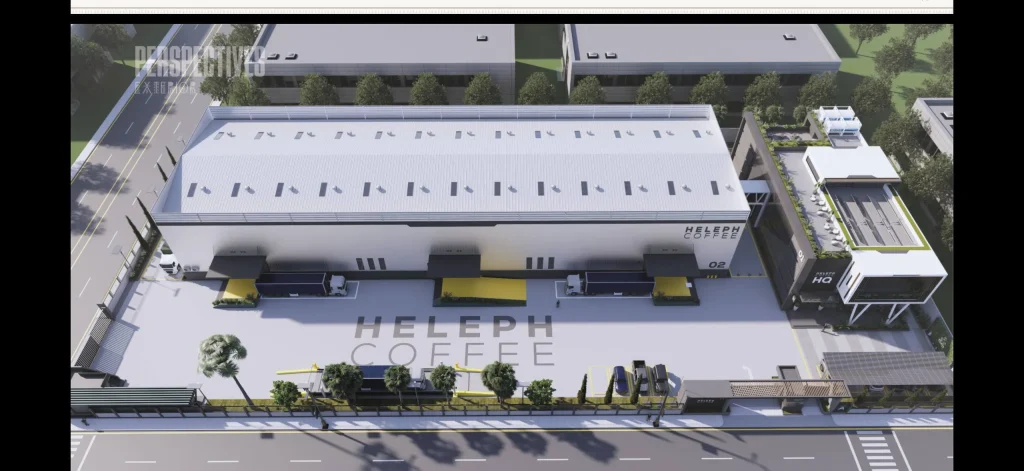
Heleph Coffee’s warehouse project demonstrates the importance of investing in the infrastructure that supports this ecosystem. By developing stronger operational capacity, the company is working toward a more organized and efficient approach to coffee management.
The warehouse is therefore not simply a building. It represents a foundation for better processes, stronger operations, and future opportunities.
Looking Ahead
The future of Ethiopian coffee will depend on the ability of the industry to combine its heritage and natural advantages with modern infrastructure and efficient business practices.
Heleph Coffee’s warehouse project is part of that evolution.
By strengthening storage and operational capabilities, the project has the potential to support better supply-chain management while creating a stronger foundation for the company’s future.
As Heleph Coffee continues to develop, its investment in infrastructure reflects an important principle:
Great coffee deserves a strong journey from origin to market.
And that journey begins long before the coffee reaches the cup.