
Ethiopian Coffee Harvest Season: From Cherry to Fresh Crop
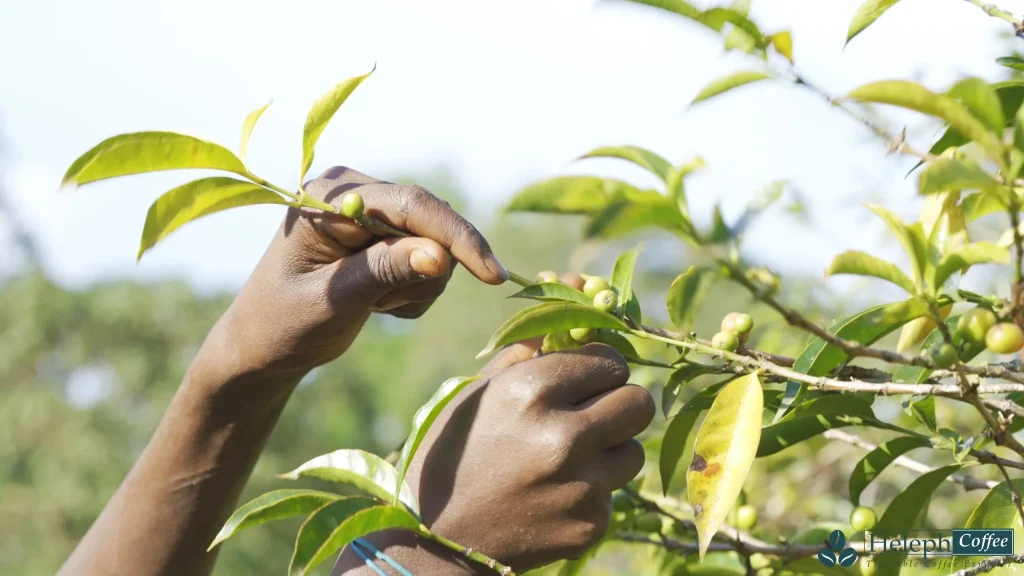
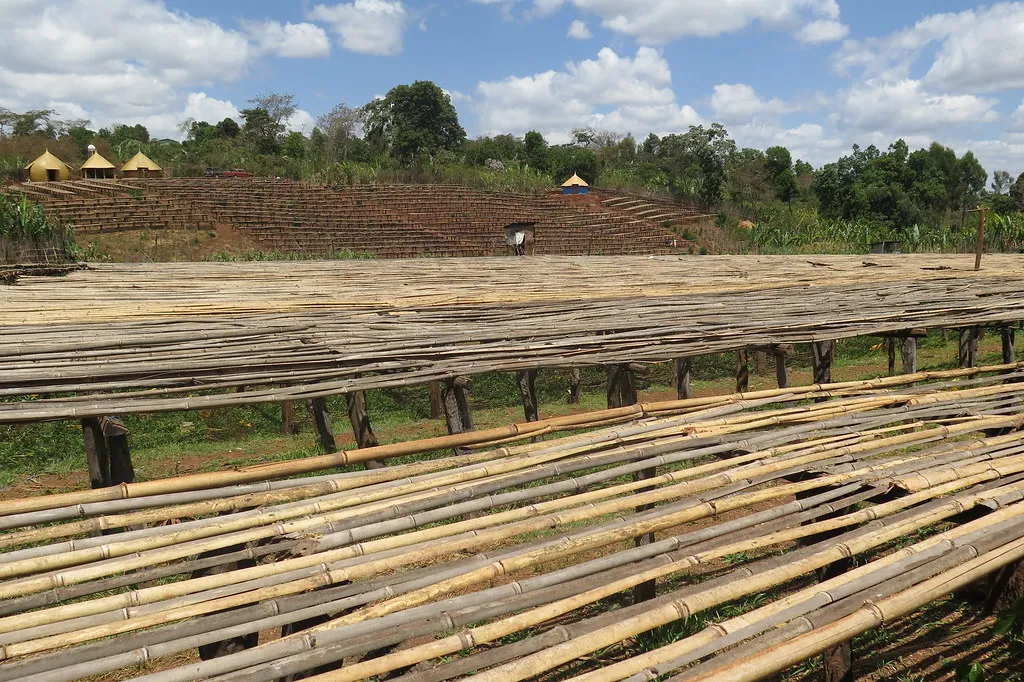
Coffee Origins Ethiopian Coffee Harvest Season: From Cherry to Fresh Crop Every year, as the rains give way to dry, bright days in Ethiopia’s highlands, coffee-growing communities begin their most important months. The Ethiopian coffee harvest season is when a full year of care in the field is finally rewarded, and when the coffees that roasters and coffee lovers will enjoy months later first take shape. Here is what actually happens at origin, and why it matters for anyone who buys or drinks Ethiopian coffee. When Is Coffee Harvested in Ethiopia? Ethiopia’s main coffee harvest generally runs from around October through January, with exact timing varying by region, altitude, and the rhythm of each year’s rains. Altitude plays the biggest role. In high-altitude areas such as the Sidama highlands, where our family’s farms and washing stations sit at elevations reaching 2,000 to 2,300 meters and above, cherries ripen slowly in the cool mountain air. That slow ripening is part of what gives high-grown Ethiopian coffee its density, sweetness, and complexity, but it also means harvest arrives later and stretches longer than in lower-lying areas. Because regions like Yirgacheffe and Guji each follow their own microclimates, harvest at origin is not a single event. It is a moving season that sweeps across the southern highlands over several months, keeping washing stations busy from the first ripe cherries of October to the final lots of the new year. Harvest season in the highlands: freshly picked cherries fill row after row of raised drying beds. Selective Hand-Picking: Where Quality Begins In Ethiopia, coffee is picked by hand, and for specialty coffee, it is picked selectively. A single coffee tree does not ripen all at once. On the same branch you will find deep-red ripe cherries next to green and yellow ones that need more time. Selective harvesting means pickers move through the same trees again and again over the course of the season, taking only the cherries at peak ripeness on each pass. This is slow, skilled, physically demanding work, and it is impossible to fake. Under-ripe cherries bring harsh, astringent flavors into the cup; over-ripe ones can introduce ferment and defect. The discipline of picking only ripe cherries is the first and most important quality decision in the entire supply chain. It is also why we believe the people doing this work deserve recognition and fair reward. We partner with more than 600 smallholder outgrowers around our washing stations, purchasing ripe cherries at premium prices, because quality at harvest is worth paying for. The Race Against Time: From Cherry to Processing Once a cherry is picked, the clock starts. Coffee cherries are fresh fruit, and like all fresh fruit, they begin to change within hours. To protect quality, cherries must reach a washing station and enter processing on the same day they are harvested. During peak season, that makes every afternoon a carefully coordinated effort: collecting, weighing, sorting, and moving cherries from farms to the station before the day ends. At the station, the harvest decision meets the processing decision. Some lots are dried whole as naturals. Others are pulped, fermented, and washed. The choice shapes everything about the final cup, something we explore in depth across our washed, natural, and honey-processed single origin coffees. Freshly pulped parchment coffee: within hours of picking, the harvest is already becoming next season’s fresh crop. Drying Season: Patience on the Beds Through the harvest months, the drying beds are the heart of every station. Cherries and parchment are spread in thin layers, turned by hand throughout the day, covered against midday sun and night moisture, and monitored constantly until they reach stable moisture levels. Depending on the method and the weather, drying can take anywhere from days to several weeks. Walk through an Ethiopian washing station in December and you will see it: hillsides of red cherries and pale parchment drying in the sun, and the teams whose patience protects everything the harvest achieved. What “Fresh Crop” Really Means If you buy green coffee, you have seen the phrase fresh crop. Harvest season is where it comes from. After drying, coffee does not ship immediately. It typically rests in parchment or dried cherry, protecting the bean while its moisture stabilizes. It is then milled, sorted, graded, cupped, and prepared for export. From the last picking days of January, Ethiopian fresh crop usually begins reaching international buyers in the months that follow. For buyers, this creates a natural sourcing calendar: During harvest (roughly October–January): lots are being created. This is when relationships at origin matter most, and when committed partners get visibility into the best coffees. After harvest: milling, grading, and cupping determine final quality. Pre-shipment samples begin to move. Fresh crop arrival: the new season’s coffees land, at their most vibrant and expressive. Talking to your exporter early, ideally while the harvest is still on the trees or on the beds, is the single best way to secure the lots you actually want rather than choosing from what remains. Harvest Season Is Community Season The harvest is also the most important economic moment of the year for coffee-growing communities. It brings seasonal work to thousands of people across the highlands, and much of that skilled picking, sorting, and drying-bed work is done by women. “A great harvest is never the work of one farm. It is the work of a whole community, repeated every day for months.” That is why our commitments at origin are focused on this season, from premium cherry prices for our outgrowers to initiatives like our program for empowering women in the 2025/2026 harvest season. You can meet some of the people behind our coffees in our farmer success stories. And if you want to see the season with your own eyes, there is no substitute for standing on a drying bed hillside during harvest. Our coffee tour brings visitors into the farms, stations, and communities where it all happens. Why Harvest Timing Shows Up in Your Cup Everything about