
Processing & Quality
Ethiopian Coffee Processing Methods: Washed, Natural, and Honey Explained
Two coffees can come from the same region, the same farm, and even the same harvest, yet taste remarkably different in the cup. The reason is often not the origin at all. It is the processing method. Understanding Ethiopian coffee processing methods is one of the most useful steps any coffee lover or buyer can take toward truly appreciating what makes Ethiopian coffee special.
Why Processing Matters as Much as Origin
When people talk about Ethiopian coffee, the conversation usually begins with origin. Sidamo, Guji, and Yirgacheffe are names that carry real weight in the specialty coffee world, and for good reason.
But origin is only half of the story.
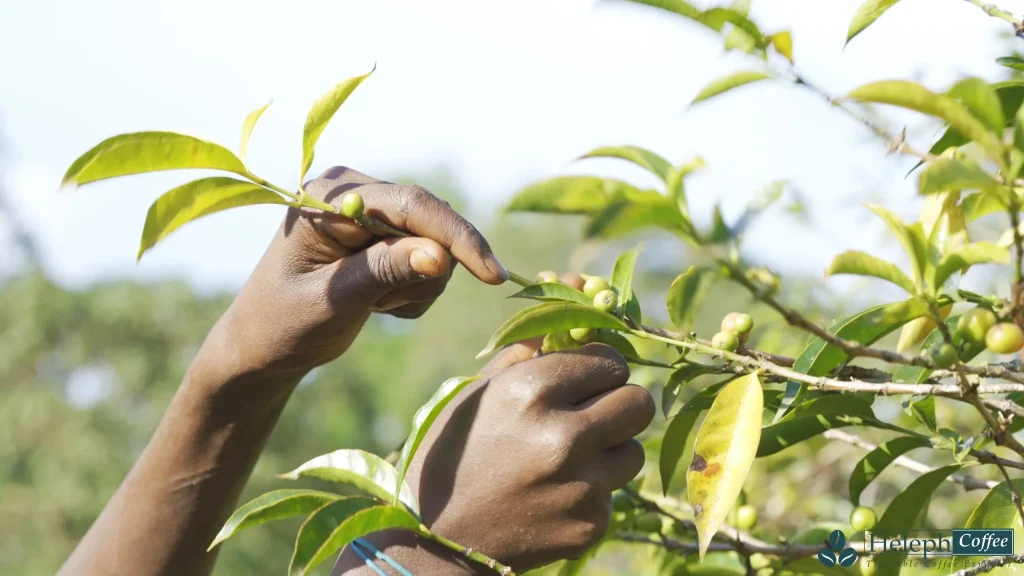
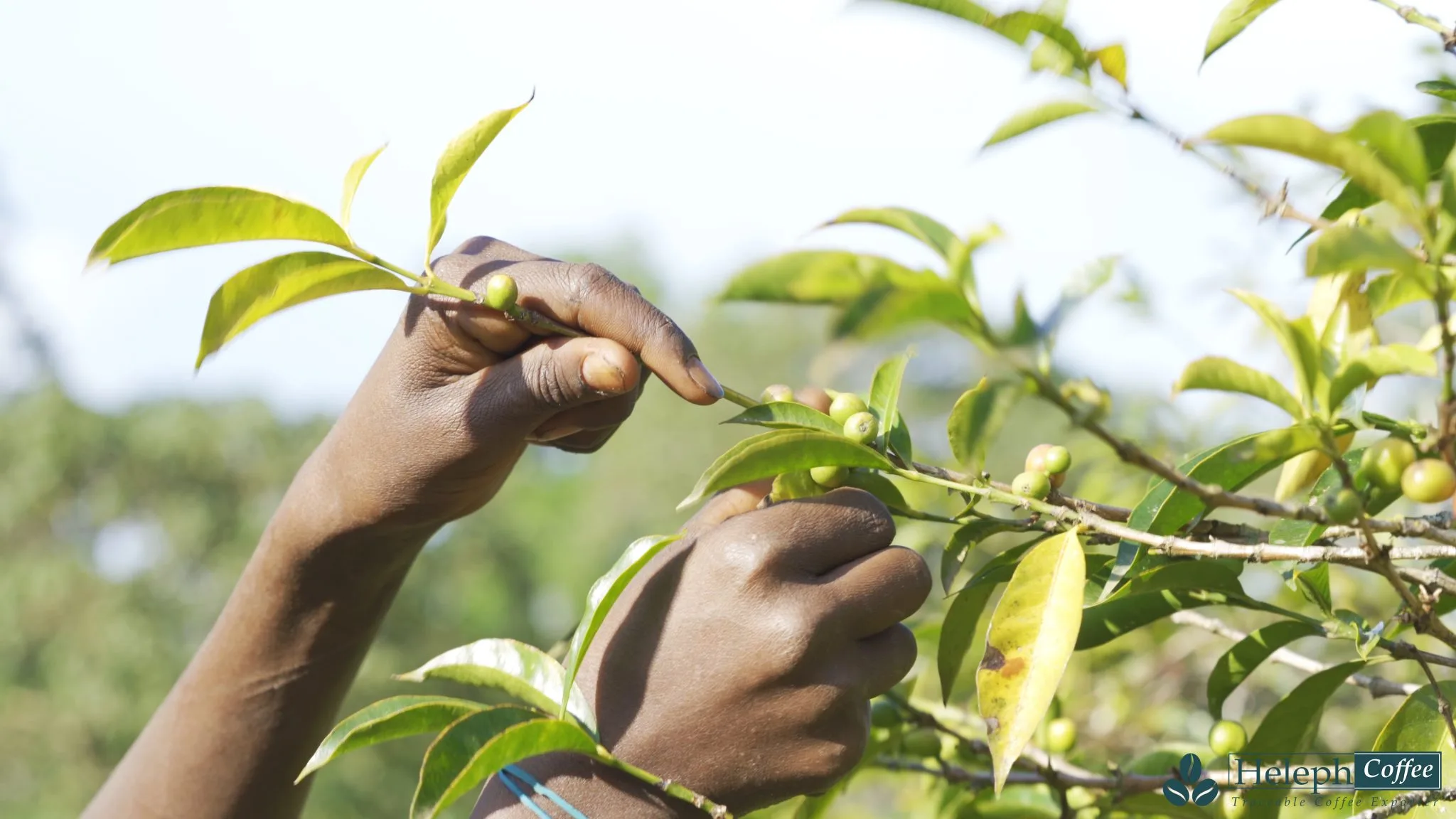
Coffee does not grow as a bean. It grows as the seed of a fruit, the coffee cherry. Between the moment a ripe cherry is picked and the moment green coffee is ready for export, the fruit must be removed and the seed must be dried. How that happens is what we call processing, and it shapes the flavor, body, sweetness, and character of the final cup.
In Ethiopia, three processing methods dominate: natural (dry), washed (wet), and honey. Each one tells a different story in the cup, and each one asks something different of the farmers and processors behind it.
At Heleph Coffee, processing is not something we observe from a distance. Our family’s coffee heritage began in 1976, when our grandfather Tulu Kankura planted his first coffee plantation in Harbegona village, now part of Bona Zuria, Sidama. A decade later, our father Ayele Tulu expanded the family’s work through the development of early washing stations. Today we own and operate 12+ washing stations across Sidama, Yirgacheffe, and Guji, which means we control quality at every step, from ripe cherry to export-ready green coffee.
The Natural Process: Ethiopia’s Oldest Tradition
The natural process, sometimes called the dry process, is the original way coffee was prepared, and it remains deeply connected to Ethiopian coffee culture.
How Natural Processing Works
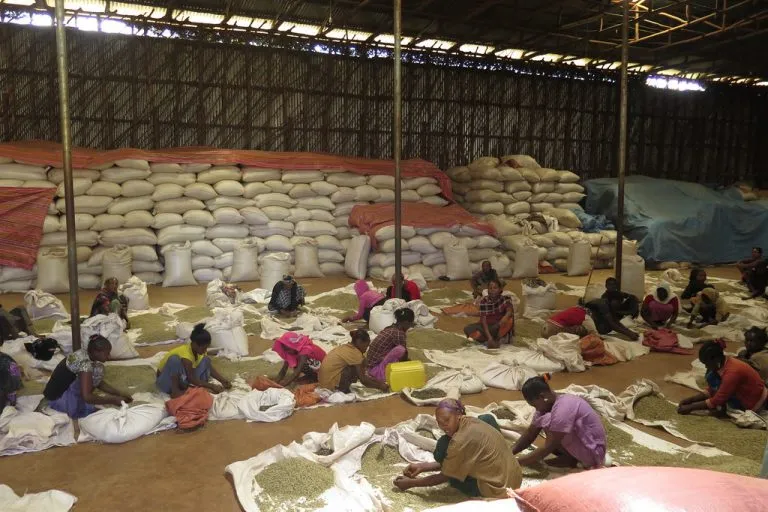
In natural processing, freshly picked coffee cherries are dried whole, with the fruit still surrounding the seed. The cherries are spread in thin layers on raised drying beds and turned regularly, often for several weeks, until they reach the right moisture level. Only then is the dried fruit removed to reveal the green coffee inside.
It sounds simple, but great natural coffee is anything but easy.
The method demands careful cherry selection, constant turning, protection from rain and moisture, and patient attention throughout the drying period. When any of these steps is rushed or neglected, defects appear quickly. When they are done well, the results can be extraordinary.
What Natural Coffee Tastes Like
Because the seed dries in contact with the fruit for so long, natural coffees absorb more of the cherry’s character. The result is typically a cup with heavier body, pronounced sweetness, and vivid fruit notes, flavors often described as berry-like, winey, or jammy.
This is the profile that has made Ethiopian naturals famous among specialty coffee enthusiasts around the world. It is also the method behind our single-origin program: we work with selected single farmers in the Bona Zuria micro-region of Sidama whose Grade 1 lots are carefully processed through natural methods to preserve the unique qualities of each farm. A coffee such as our Berra Xaddicho Natural reflects exactly this tradition: fruit-forward, expressive, and unmistakably Ethiopian.
The Washed Process: Clarity in the Cup
The washed process, also known as the wet process, takes a very different approach. Instead of drying the whole fruit, it removes the fruit first.
How Washed Processing Works
After harvesting, ripe cherries are passed through a pulping machine that strips away the outer skin and most of the fruit. The seeds, still coated in a sticky layer of fruit residue called mucilage, are then fermented in water until that layer breaks down. Finally, the coffee is washed clean and dried on raised beds.
Washed processing requires real infrastructure: clean water, fermentation tanks, and pulping equipment. This is why washed coffees in Ethiopia are produced at dedicated washing stations. Owning our washing stations in Sidama, Yirgacheffe, and Guji allows us to manage every stage of this process ourselves rather than relying on third parties, and it is one of the foundations of our approach to quality and traceability.
What Washed Coffee Tastes Like
With the fruit removed early, the cup profile shifts. Washed Ethiopian coffees are prized for their clarity, bright acidity, and clean, elegant flavors, often carrying the delicate floral and citrus notes that regions like Yirgacheffe are celebrated for.
If natural coffees show what the fruit can give, washed coffees show what the seed itself carries: the influence of variety, soil, and altitude expressed with precision. Our Ayele Tulu Washed, named for the second generation of our family’s coffee enterprise, is an example of this style, where the character of the origin comes through with clean, articulate detail.
The Honey Process: Between Washed and Natural
The honey process sits between the two traditional methods, and despite the name, it involves no honey at all.
How Honey Processing Works
As in washed processing, the cherry skin is removed after harvest. But instead of fermenting and washing away the sticky mucilage, some or all of it is left on the seed during drying. That golden, honey-like layer of fruit sugar is what gives the method its name.
Honey processing demands real skill. The sticky coffee must be turned frequently and monitored closely to dry evenly and avoid defects. It is a method that rewards experience and punishes shortcuts.
What Honey Coffee Tastes Like
The result is a cup that balances the two worlds: more sweetness and body than a washed coffee, more clarity and structure than a natural. Honey-processed Ethiopian coffees often show rounded sweetness, gentle fruit, and a smooth, syrupy mouthfeel.
Our Bona Zuira Honey represents this approach, offering a distinctive middle path for coffee lovers who want both sweetness and refinement in the same cup.
How Processing Interacts with Ethiopian Origins
One of the most fascinating aspects of Ethiopian coffee is how processing and origin work together.
Ethiopia’s coffee-growing regions each bring their own identity, shaped by high altitudes, climate, and the diversity of indigenous heirloom varieties. Processing then acts like a lens, drawing out different aspects of that identity.
- A washed coffee from a high-altitude region tends to highlight florals, citrus, and tea-like delicacy.
- A natural coffee from the same area may instead express bold berry fruit, sweetness, and weight.
- A honey coffee often lands in between, with rounded sweetness and balanced structure.
This is why tasting the same origin across different processing methods is one of the best ways to develop your palate. The origin stays constant; the lens changes. Exploring single origin coffee side by side across methods reveals just how much range Ethiopian coffee truly has.
Which Processing Method Should You Choose?
There is no single “best” processing method, only the best method for what you are looking for in the cup.
- Choose natural if you love bold, fruit-forward coffees with heavy body and expressive sweetness, or if you want to taste Ethiopian coffee in its most traditional form.
- Choose washed if you prefer clean, bright, elegant cups where the floral and citrus character of the origin takes center stage.
- Choose honey if you want balance: the sweetness of a natural with the structure of a washed coffee.
For roasters and green coffee buyers, processing is also a practical consideration. Different methods suit different roast profiles, menu positions, and customer preferences, and offering more than one process from the same origin can add real depth to a coffee program.
Processing, Traceability, and the People Behind the Coffee
Every processing method represents work: the careful hands that pick only ripe cherries, the teams that turn drying beds day after day, and the communities whose knowledge has been refined over generations.
“Behind every processing method is a decision, and behind every decision are the farmers and communities who bring Ethiopian coffee to life.”
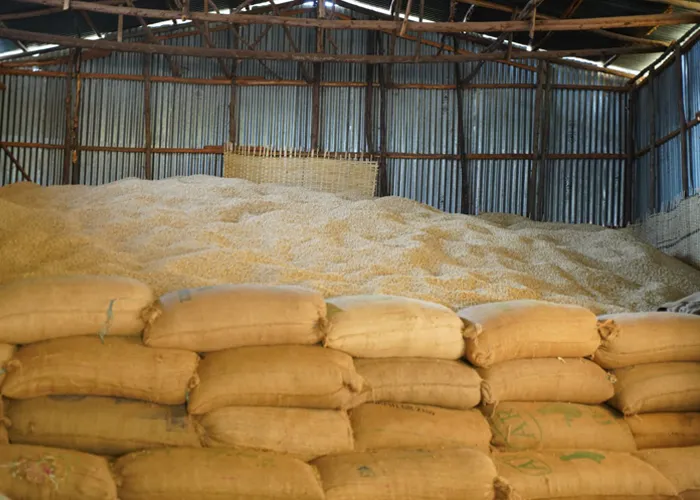
This is why traceability matters so much to us. Knowing not just where a coffee comes from, but how it was processed and who processed it, creates a genuine connection between the cup and its origin. Because we source, process, and export under one roof, every lot can be traced from the farm and washing station through to shipment.
You can read more about our approach in our article on Ethiopian coffee, single origin, and traceability, and meet some of the people behind our coffees in our farmer success stories.
Taste the Difference for Yourself
Understanding Ethiopian coffee processing methods is valuable. Tasting them is unforgettable.
Whether you are a roaster searching for your next standout lot, an importer building an Ethiopian offering, or a coffee lover curious about what washed, natural, and honey really mean in the cup, tell us what you are looking for and we will help you find the right lots from our washing stations.