
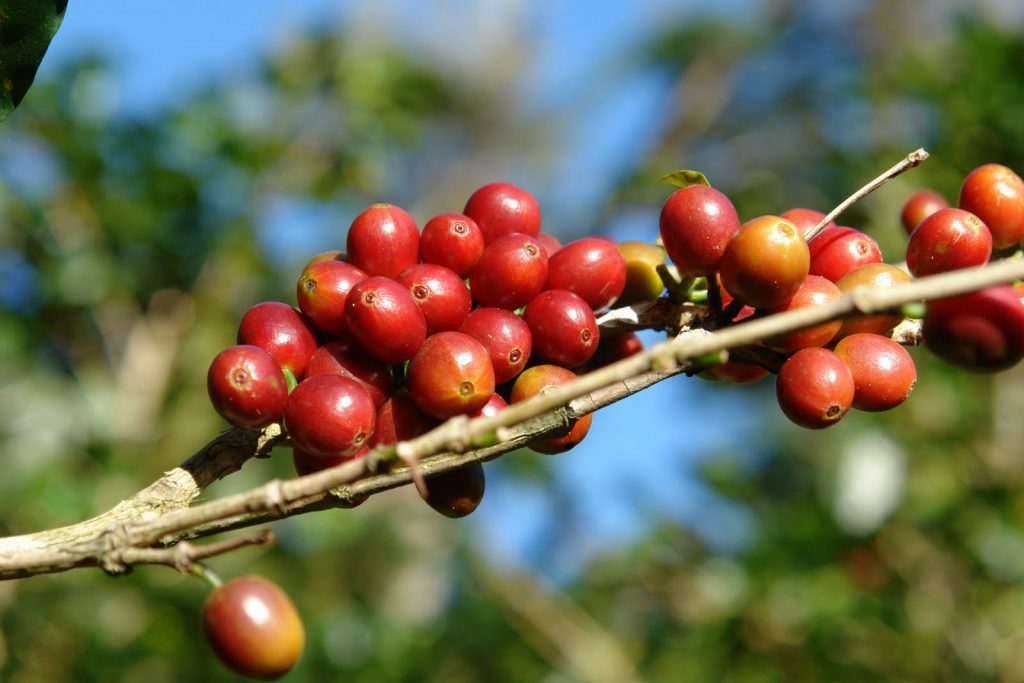
Coffee Basics
Types of Coffee Beans
Within the Coffea genus, there are two major species of coffee beans. The most common and economically important are Arabica and Robusta, which together make up over 90% of global coffee production.
What makes each coffee bean type unique, and how do you choose the most suitable coffee beans?
Arabica
Arabica coffee makes up most of the coffee grown, accounting for approximately 60% of retail coffee production. It originated in Ethiopia, where it grows wild. People first cultivated it in Yemen, however, and it takes its name from there.
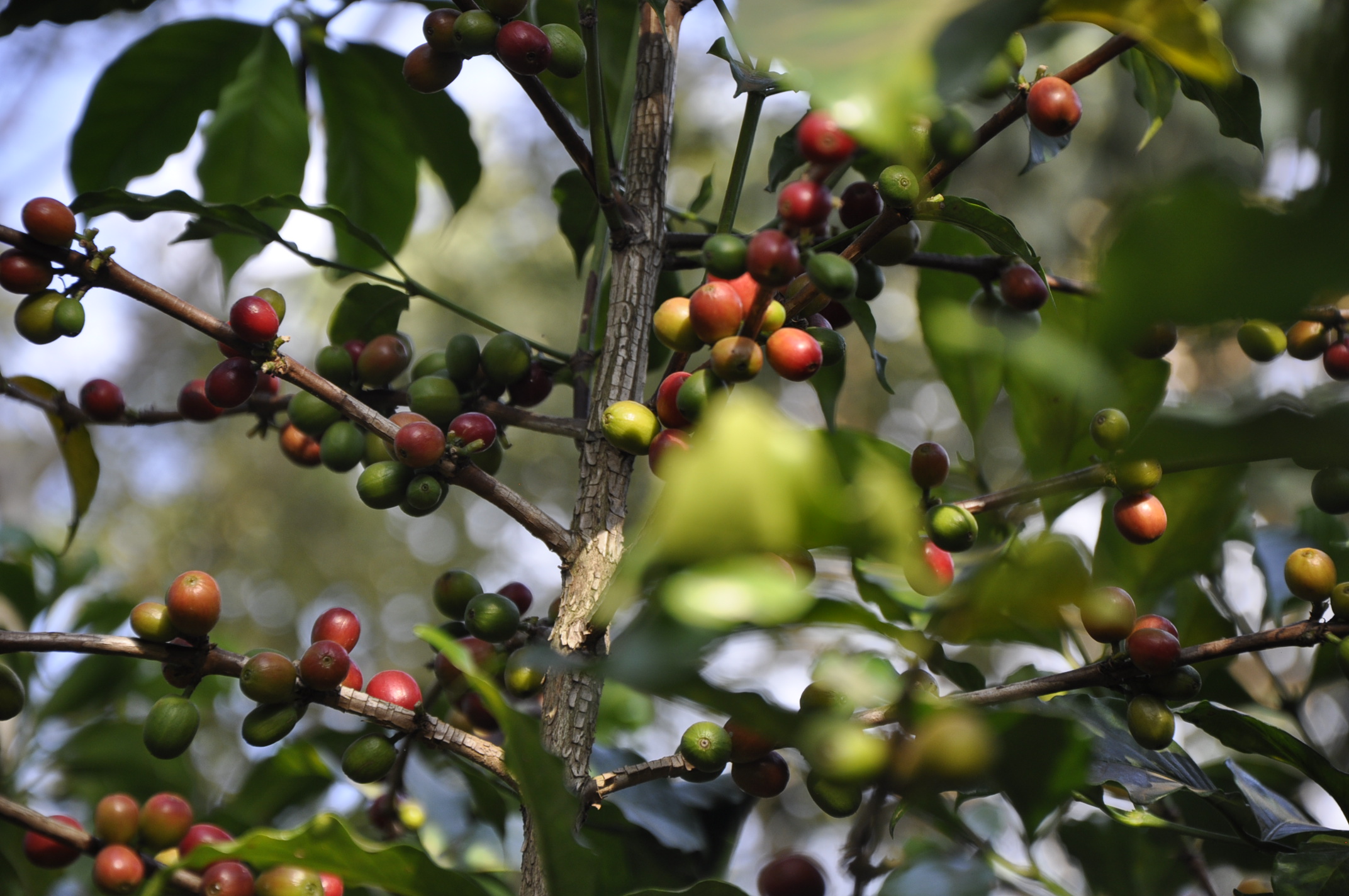
Characteristics of Arabica Coffee Beans
Arabica coffee beans are considered the best in the world, favored for creating unique, gourmet coffee blends.
Arabica beans have sweeter and more complex flavors than Robusta, so they currently dominate coffee markets, especially specialty coffee markets. These beans have a sugary nuance that gives them a naturally sweeter profile, along with soft, gentle tones. As a result, Arabica presents a broader and more refined spectrum of origin flavors, such as nutty, chocolaty, and fruity, than any other coffee bean.
They have a naturally higher pH balance that gives them bright and fruity flavors. Arabica beans are larger than other beans and have an elliptical shape.
Coffea Arabica plants are sensitive to their environment. They do best at higher elevations, with plenty of rain, well-draining soil, natural shade, and minimal temperature variation. They especially thrive in volcanic environments, which offer all of the above plus mineral-rich soils. It can be difficult and resource-intensive to grow Arabica in environments that do not naturally meet those criteria.
Arabica Varietals
As the most popular coffee bean, Arabica has many varieties, also known as varietals. Some sources report as many as 40 different varietals. The most common types are:
- Batian is a high-yield variety resistant to coffee leaf rust and coffee berry disease.
- Bourbon produces a very high-quality cup and features deep red, rich coffee cherries.
- Casiopea typically produces a high yield and thrives in areas above 4,265 feet (1,300 meters).
Robusta
Robusta is the second most widely grown type of coffee bean. Its name comes from being more robust than Arabica plants, which means it can be grown in a broader range of environments and is less prone to disease. Despite these advantages, it remains less popular than Arabica because its flavors and aromas are less desirable.
Characteristics of Robusta Coffee Beans
Robusta beans are known for a darker, earthier flavor, and for this reason they are most often given a darker roast to better match their natural character. Robusta beans also have nearly twice the caffeine of Arabica beans.
High-quality Robusta can produce a thick and surprisingly smooth texture, perfect for espresso blends. Overall, though, its flavor profile has been compared to burnt rubber.
A good quality Robusta bean can bring immense depth and balance to Arabica blends. Robusta beans are most valuable when prepared as espresso, and most espresso blends contain at least some percentage of Robusta. They create a richer crema than Arabica beans. Their inherently dark and earthy character is the perfect foil for sweet steamed milk in drinks like lattes and cappuccinos, where the subtleties of an Arabica bean would be lost.
Robusta Varietals
Robusta doesn’t have numerous varietals because it’s not in as high demand as Arabica. Many roasters blend the two types of beans to produce a hybrid, which helps reduce the intensity of the Robusta and makes the coffee a bit more enjoyable. Options include Kopi Luwak, Icatu, and Rondonia beans, among a few others.
How to Choose Coffee Beans
When picking the coffee beans you want to buy, there are many factors to consider. Thousands of coffees are on the market and no two are alike, so it can be challenging to select just the right one for your taste. These tips will help you narrow it down.
Understand the Broad Varieties
Understanding the different varieties of coffee is critical when choosing a type of coffee. There are many ways to categorize coffee: by type, by flavor profile, by roast level, by caffeine content, by grind, by additives, and so on.
Know Your Preferred Taste
Each coffee bean can produce various flavors depending on its type, processing method, and roasting.
If you prefer naturally sweeter coffees with a light body and bright acidity, Arabica beans are the way to go. They are characterized by a range of flavors, including fruits, florals, nuts, and chocolate. If you prefer more bittersweet, earthier coffees with a heavy body, Robusta coffees are all excellent options.

Determine the Amount of Caffeine You Want
Not all coffee beans contain the same amount of caffeine, so knowing how much you want will help you decide which coffee to buy.
- Arabica has the lowest caffeine content, about 1.61 g/100 g.
- Robusta is the most caffeinated, at 2.26 g/100 g.
Evaluate Health Benefits
Arabica coffee beans are naturally sweeter than Robusta, and that sweetness is another reason Arabica is considered more healthful. If you’re looking to avoid added sugars in your diet, you may benefit from the inherent sweetness of an Arabica coffee, while you might be more willing to add sugar to a bitter Robusta brew.
Taste Ethiopian Arabica at Its Source
Arabica began in Ethiopia. From our own washing stations in Sidama, Yirgacheffe, and Guji, we follow every lot from ripe cherry to export.
Explore our single origin coffees, or tell us what you are looking for and we will keep you close to the season.